This day

June 20, 2027

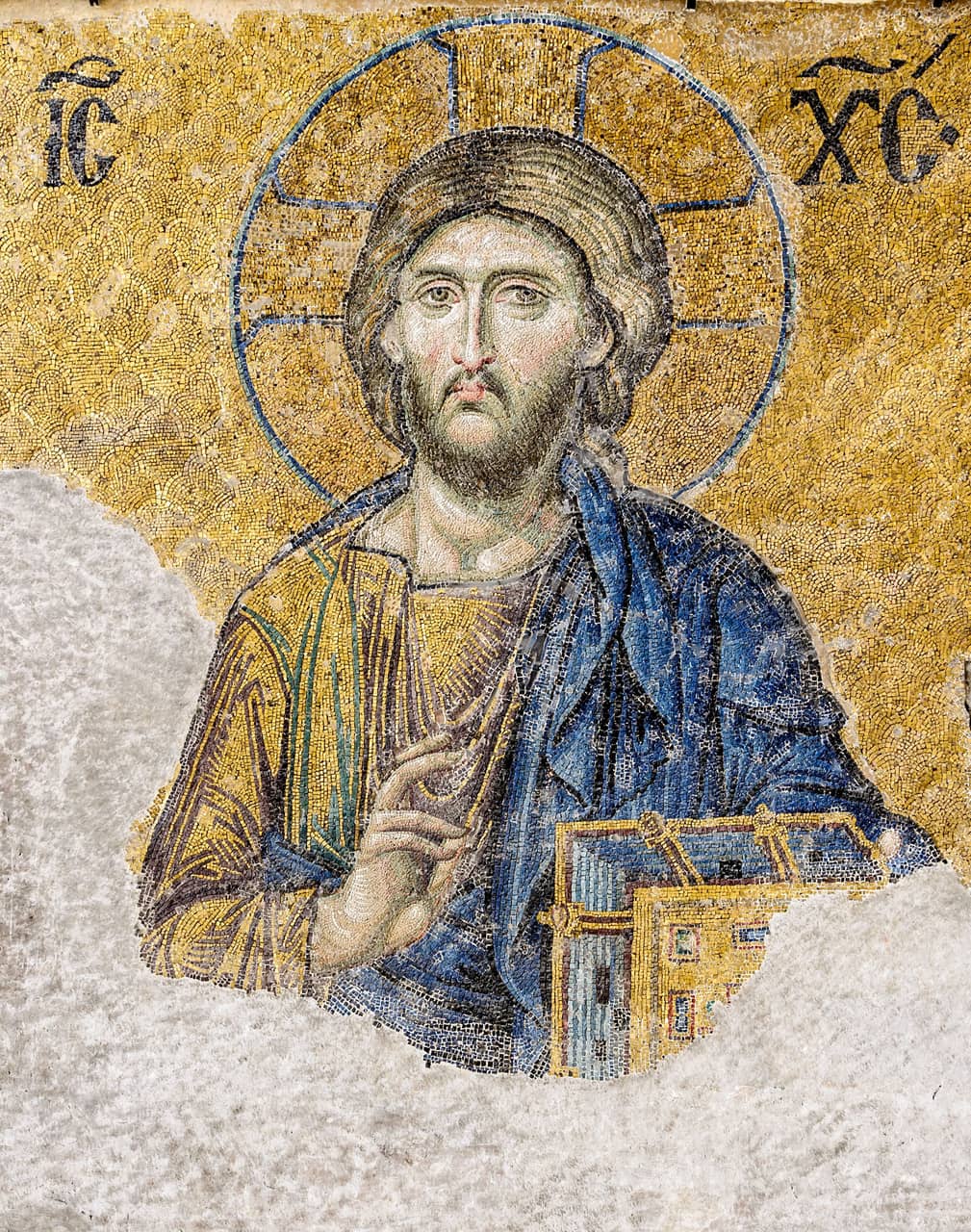
Christ Pantocrator (Deesis mosaic, Hagia Sophia)
Christ Pantocrator (Deesis mosaic, Hagia Sophia), Unknown (Byzantine), c. 1261. Credits

After Pentecost

June 20, 2027

The Sunday leads; St. Silverius is commemorated.Rubrics

The Fifth Sunday after Pentecost

From Dom Guéranger’s The Liturgical Year.

This Sunday, which, with the Greeks, is called the fifth of St. Matthew, was known by the Latins as the Sunday of the fishing; such was its name up to the time when the Church transferred to the previous Sunday the Gospel which suggested that title. The week which it commences is, in some ancient lectionaries, called the 'first after the feast of the apostles' or of St. Peter; in others it is the second or third after the same feast; these, and similar varieties of names, which it is no rare thing to find in the liturgical books of the Middle Ages, are due to the fact that Easter was kept earlier or later in the years when those books were written.

The Church began last night the reading of the second Book of Kings, which opens with the description of Saul's sad end and David's accession to the throne of Israel. The exaltation of Jesse’s son is the climax to the prophetic life of the ancient people. In David God had found His faithful servant, and He resolved to exhibit him to the world as the most perfect figure of the future Messiah.
Chapter 2: The Mystery of the Time after Pentecost

From Dom Guéranger’s The Liturgical Year.

That we may thoroughly understand the meaning and influence of the season of the liturgical year upon which we have now entered, it is requisite for us to grasp the entire sequel of mysteries, which holy Church has celebrated in our presence and company; we have witnessed her services, and we have shared in them. The celebration of those mysteries was not an empty pageant, acted for the sake of being looked at. Each one of them brought with it a special grace, which produced in our souls the reality signified by the rites of the liturgy. At Christmas Christ was born within us; at Passiontide He passed on and into us His sufferings and atonements; at Easter He communicated to us His glorious, His untrammelled life; in His Ascension He drew us after Him, and this even to heaven’s summit; in a word, as the apostle expresses all this working, ‘Christ was formed in us.’

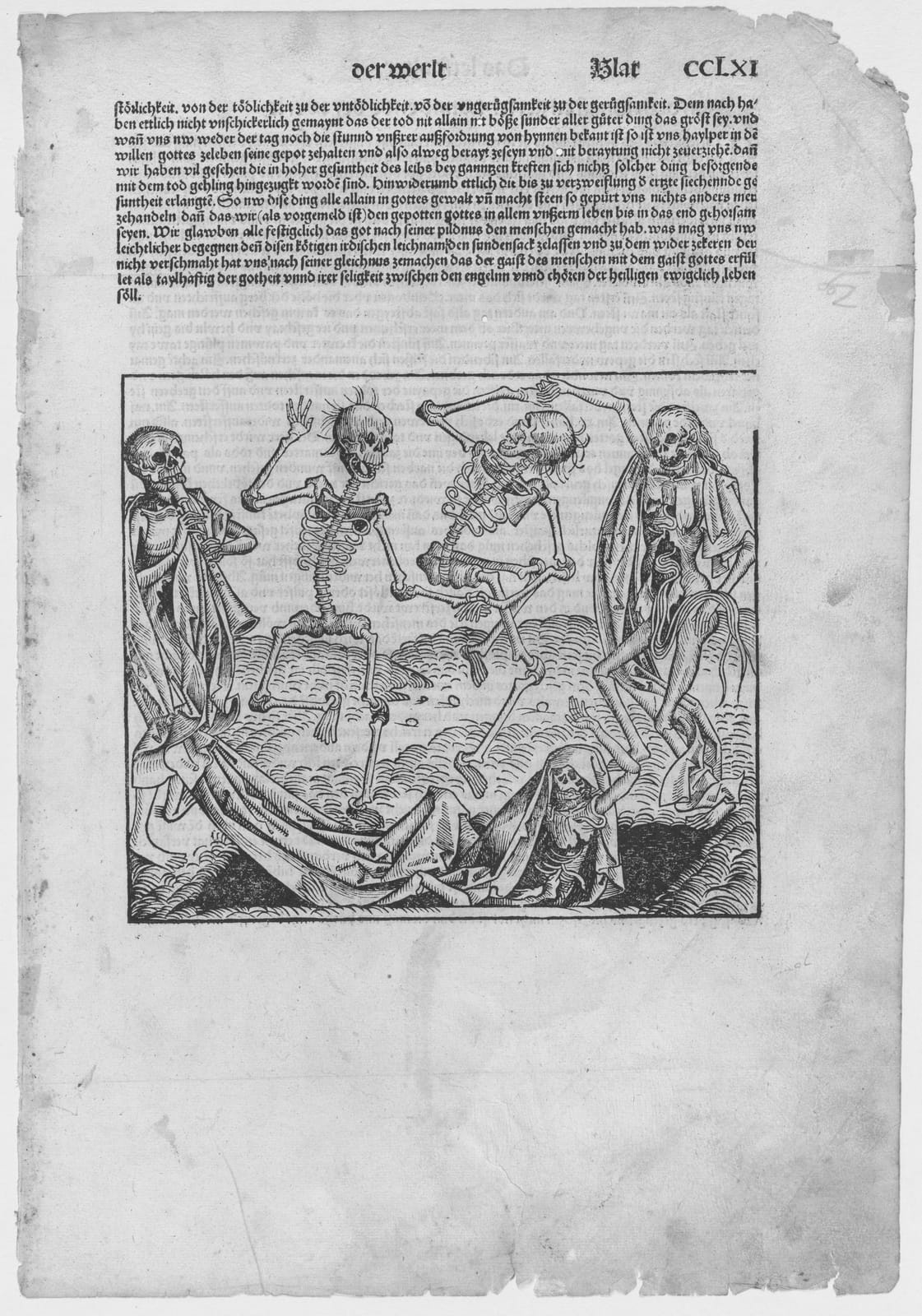
The dance of death, a leaf from the Nuremberg Chronicle
Michael Wolgemut (1434–1519), Dance of Death, from The Nuremberg Chronicle, 1493. Credits

Email view of this day