This day

June 25, 2027

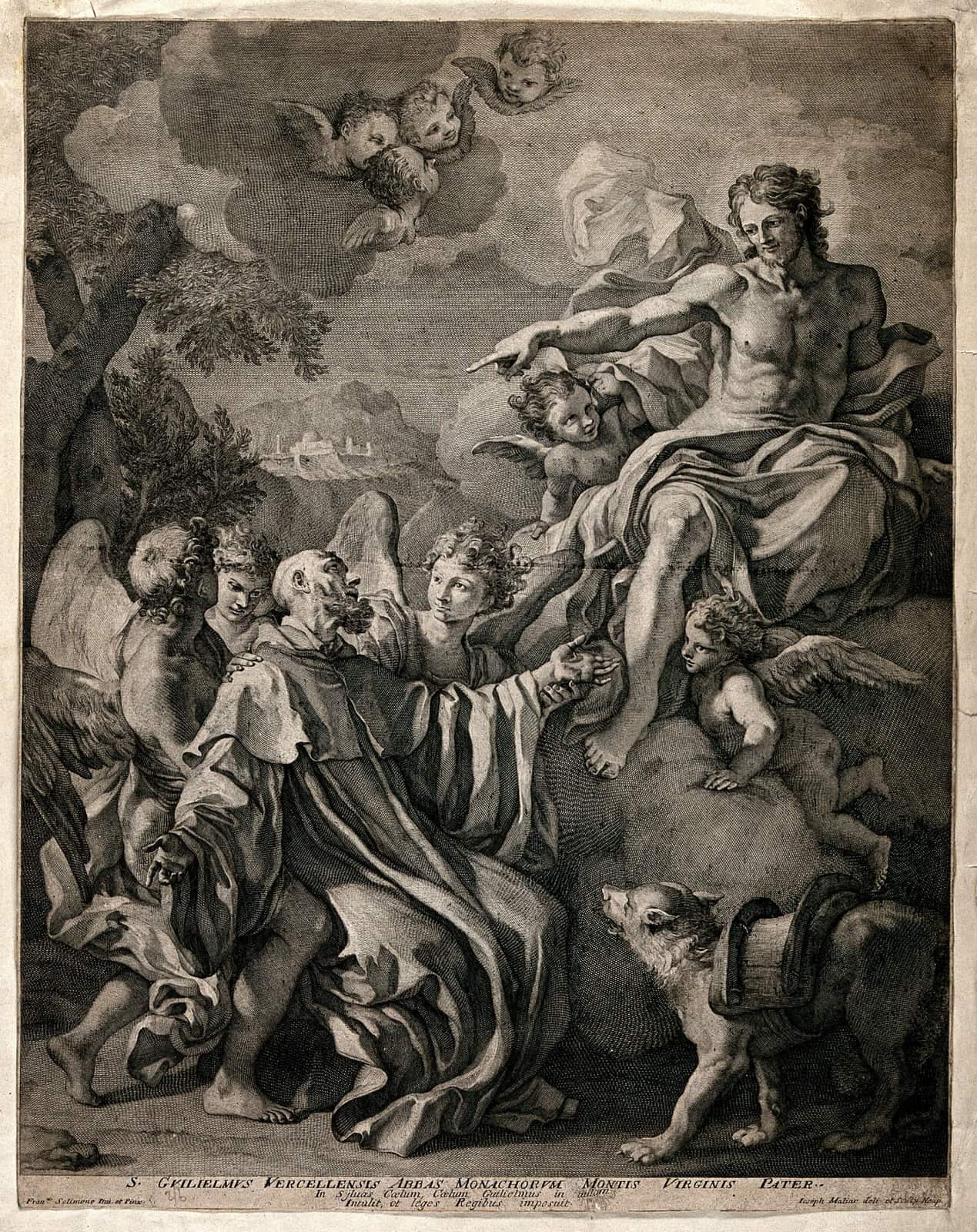
Saint William of Vercelli kneels before Christ, with the wolf of Montevergine
The Ecstasy of Saint William of Vercelli, Giuseppe Magliar, after Francesco Solimena (1657–1747), 18th century. Credits

After Pentecost

June 25, 2027

June 25: St. William, Abbot

From Dom Guéranger’s The Liturgical Year.

MARTYRS are numerous on the cycle during the octave of St John. But not only in martyrdom's peerless glory does our Lord reveal the power of his grace, or the victorious force of example left to the world by his Precursor. At the very outset we have presented to our homage one of those countless athletes of penance, who succeeded John in the desert; one of those who fleeing, like him, in early youth, a society wherein their souls’ foreboding told of only peril and annoy, consecrated a lifetime to Christ’s complete triumph within them over the triple concupiscence, thus bearing witness to the Lord, by deeds which the world ignores, but which make angels to rejoice and hell to tremble. William was one of the chiefs of this holy militia. The Order of Monte-Vergine, which owes its origin to him, has deserved well of the monastic institute and of the whole Church in the south of Italy, wherein God has been pleased, at different times, to raise up a dyke against the encroaching waves of sensual pleasures by the stern spectacle of austere virtue.

This week's Sunday: The Fifth Sunday after Pentecost

From Dom Guéranger’s The Liturgical Year.

This Sunday, which, with the Greeks, is called the fifth of St. Matthew, was known by the Latins as the Sunday of the fishing; such was its name up to the time when the Church transferred to the previous Sunday the Gospel which suggested that title. The week which it commences is, in some ancient lectionaries, called the 'first after the feast of the apostles' or of St. Peter; in others it is the second or third after the same feast; these, and similar varieties of names, which it is no rare thing to find in the liturgical books of the Middle Ages, are due to the fact that Easter was kept earlier or later in the years when those books were written.

The Church began last night the reading of the second Book of Kings, which opens with the description of Saul's sad end and David's accession to the throne of Israel. The exaltation of Jesse’s son is the climax to the prophetic life of the ancient people.

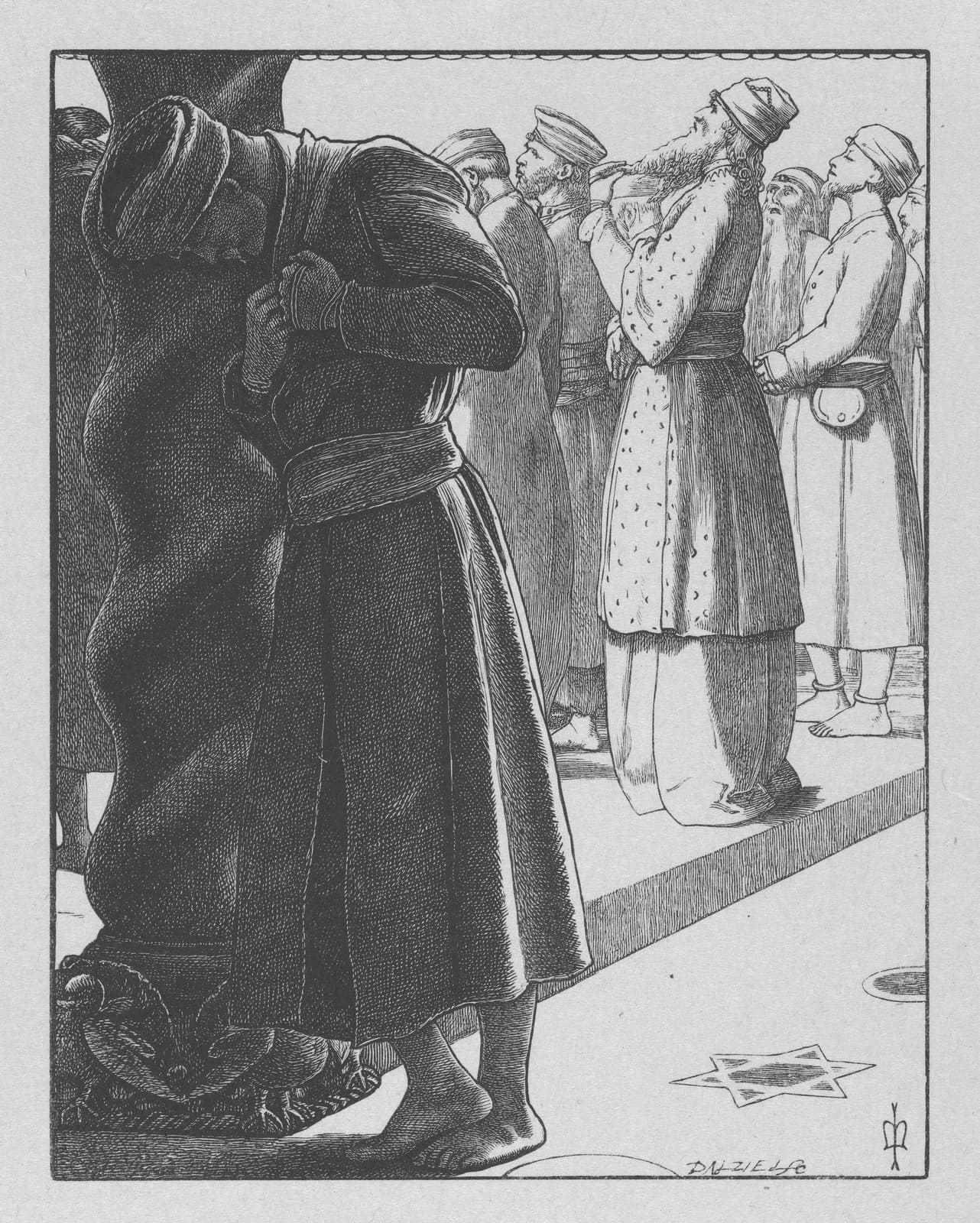
The Pharisee and the publican in the Temple
Sir John Everett Millais (1829–1896), The Pharisee and the Publican, from The Parables of Our Lord and Saviour Jesus Christ, 1864. Credits

Email view of this day