This day

June 26, 2027

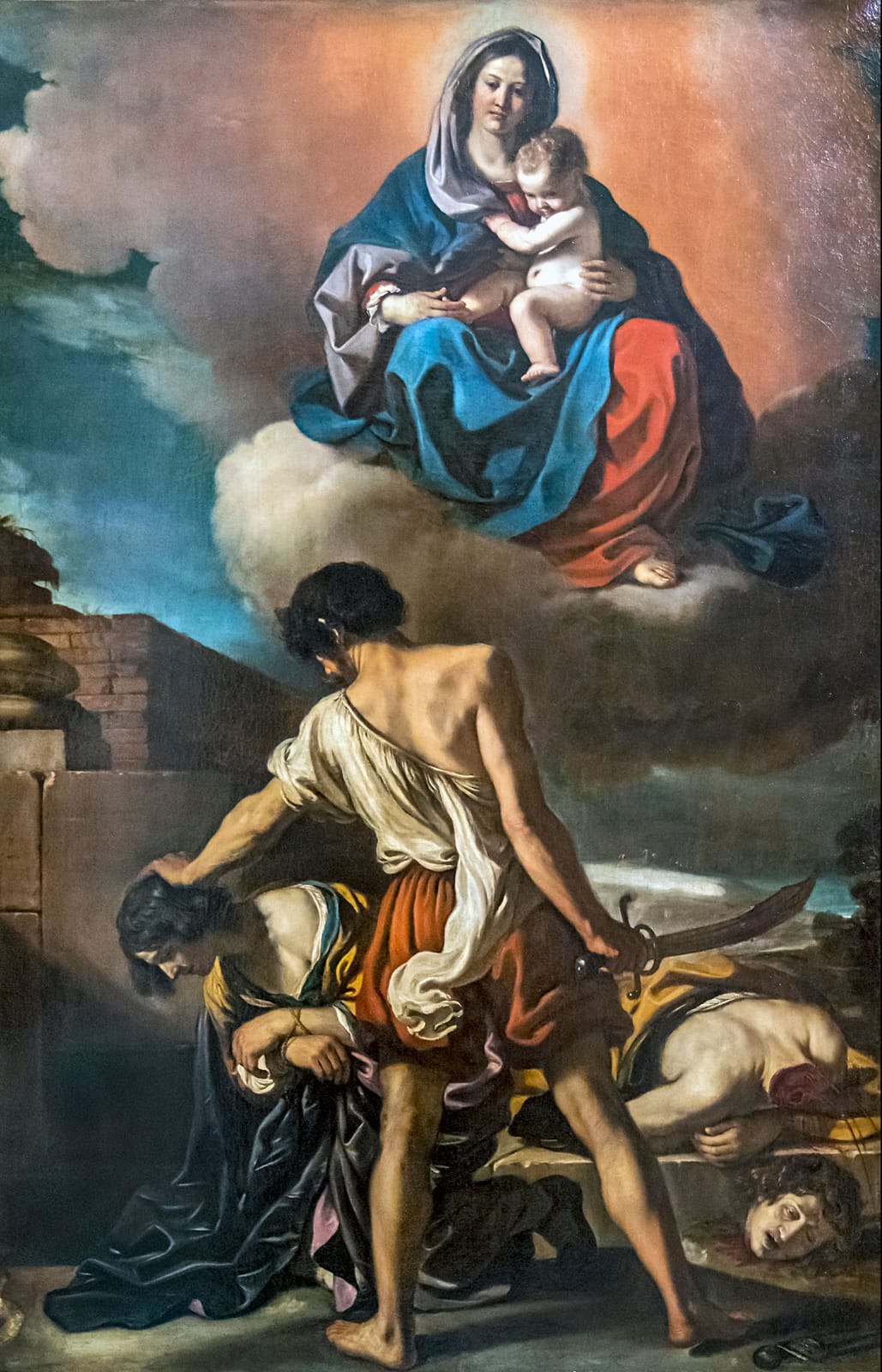
Martyrdom of Saints John and Paul
Martyrdom of Saints John and Paul, Guercino (1591–1666), 1632. Photo: Didier Descouens. Credits

After Pentecost

June 26, 2027

June 26: Sts. John and Paul, Martyrs

From Dom Guéranger’s The Liturgical Year.

AMIDST the numerous sanctuaries which adorn the capital of the Christian universe, the church of Saints John and Paul has remained from the early date of its origin one of the chief centres of Roman piety. From the summit of the Cœlian Hill it towers over the Coliseum, the dependencies of which stretch subterraneously even as far as the cellarage of the house once inhabited by our saints. They, the last of the martyrs, completed the glorious crown offered to Christ by Rome, the chosen seat of his power. The conflict in which their blood was spilt consummated the triumph whose hour was sounded under Constantine, but which an offensive retaliation on the part of hell seemed about to compromise.

No attack could be conceived more odious for the Church than that devised by the apostate Cæsar. Nero and Diocletian had violently and with hatred declared against the Incarnate God a war of sword and torture; and without recrimination, Christians by thousands had died, knowing that the testimony thus demanded was merely the order of things, just as it had been in the case of their august Head before Pontius Pilate and upon the cross.

This week's Sunday: The Fifth Sunday after Pentecost

From Dom Guéranger’s The Liturgical Year.

This Sunday, which, with the Greeks, is called the fifth of St. Matthew, was known by the Latins as the Sunday of the fishing; such was its name up to the time when the Church transferred to the previous Sunday the Gospel which suggested that title. The week which it commences is, in some ancient lectionaries, called the 'first after the feast of the apostles' or of St. Peter; in others it is the second or third after the same feast; these, and similar varieties of names, which it is no rare thing to find in the liturgical books of the Middle Ages, are due to the fact that Easter was kept earlier or later in the years when those books were written.

The Church began last night the reading of the second Book of Kings, which opens with the description of Saul's sad end and David's accession to the throne of Israel. The exaltation of Jesse’s son is the climax to the prophetic life of the ancient people. In David God had found His faithful servant, and He resolved to exhibit him to the world as the most perfect figure of the future Messiah.

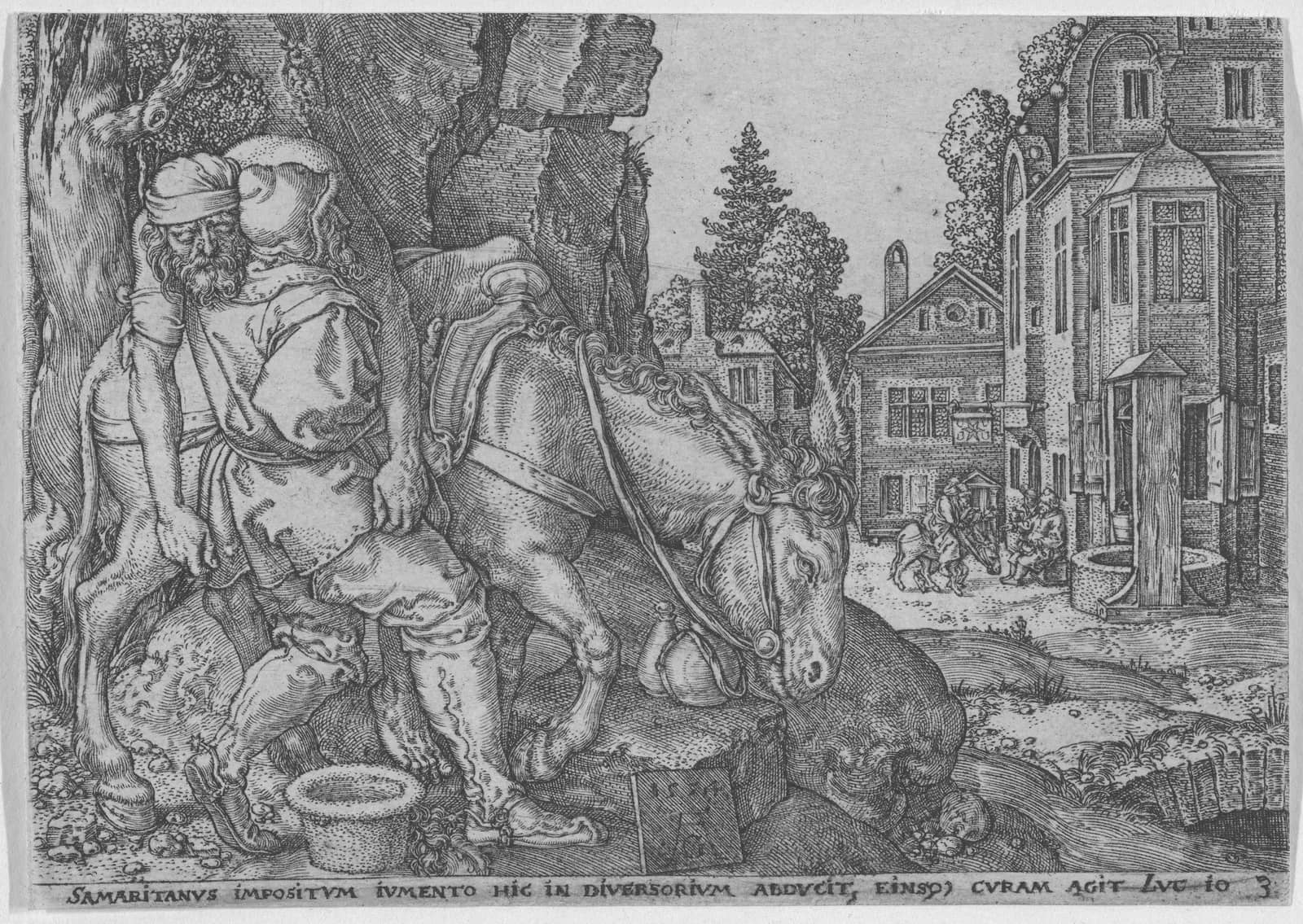
The Good Samaritan helping the wounded traveler onto his beast
Heinrich Aldegrever (1502–1561), The Good Samaritan Putting the Traveller on His Donkey, from "The Parable of the Good Samaritan", 1554. Credits

Email view of this day