This day

July 13, 2027

After Pentecost

July 13, 2027

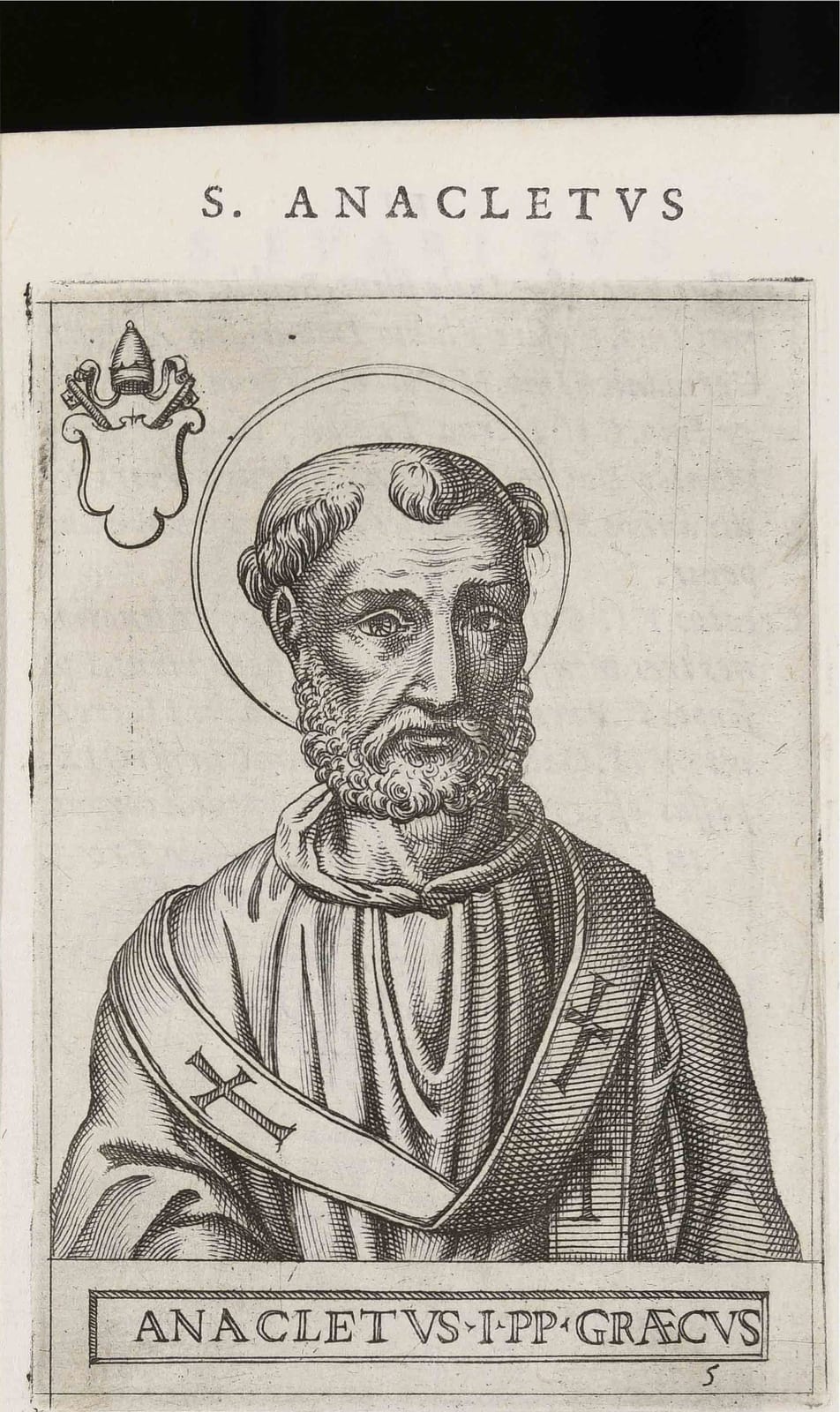
July 13: St. Anacletus, Pope and Martyr

From Dom Guéranger’s The Liturgical Year.

THE name of Anacletus sounds like a lingering echo of the solemnity of June 29. Linus, Clement, and Cletus, the immediate successors of St. Peter, received from his hands the pontifical consecration; Anacletus had a less but still inestimable glory of being ordained priest by the Vicar of the Man-God. Whereas the feasts of most of the martyr Pontiffs who came after him are only of simple rite, that of Anacletus is a semidouble, because of his privilege of being the last Pope honoured by the imposition of hands of the Prince of the Apostles. It was also during his pontificate that the Eternal City had the glory of receiving within its walls the beloved disciple, who had come to fulfil his promise and drink of his Master's chalice. ‘O happy Church,’ exclaims Tertullian, 'into whose bosom the Apostles poured not only all their teaching, but their very blood; where Peter imitated his Lord’s Passion by dying on the cross; where Paul, like John the Baptist, received his crown by means of the sword; whence the Apostle John, after coming forth safe and sound from the boiling oil, was sent to the isle of his banishment.’

This week's Sunday: The Eighth Sunday after Pentecost

From Dom Guéranger’s The Liturgical Year.

In the middle ages this Sunday was called the sixth and last Sunday after the Natalis of the apostles (that is, the feast of St. Peter); it was, indeed, the last for the years when Easter had been kept as late in April as was possible; but it was only the first after that feast of St. Peter when Easter immediately followed the spring equinox.

We have already noticed the variable character of this last portion of the liturgical cycle, which is the result of Easter being kept on a different day each year; and that in consequence of this variation this week may be the second in which the Sapiential Books are read, or, what is of more frequent occurrence, the Books of Kings may still be providing the lessons for the Divine Office. In this latter case it is the ancient temple raised by Solomon, the king of peace, to the glory of Jehovah, that engages the Church's attention to-day. We shall find that the portions of the Mass which are chanted on this Sunday are closely connected with the lessons read in last night’s Office.

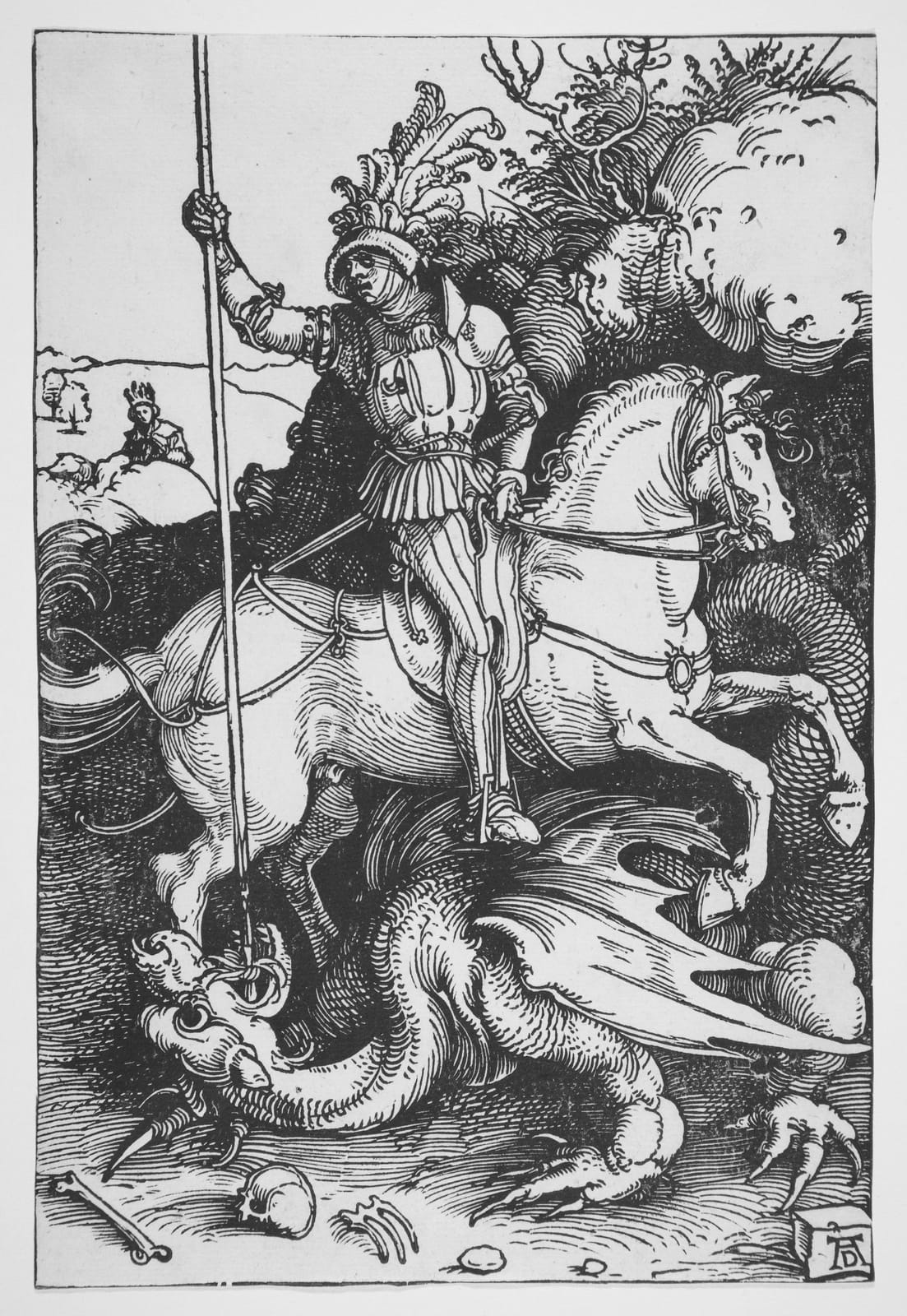
Saint George slaying the dragon
Albrecht Dürer (1471–1528), Saint George Slaying the Dragon, ca. 1504. Credits

Email view of this day