This day

July 14, 2027

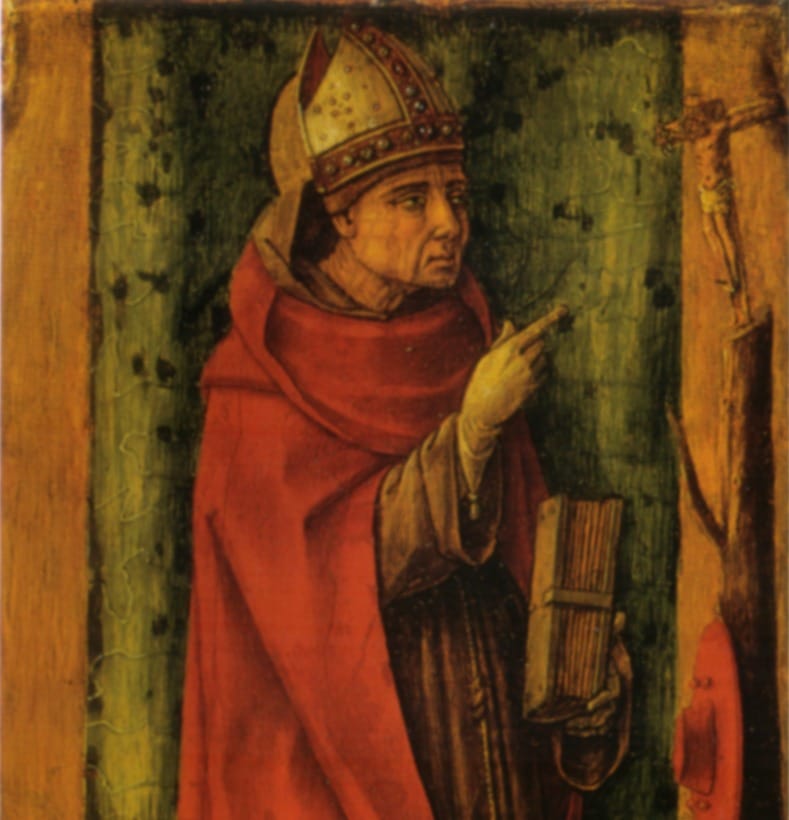
St Bonaventure with face visible
Saint Bonaventure (detail), Carlo Crivelli. Credits

After Pentecost

July 14, 2027

July 14: St. Bonaventure, Cardinal and Doctor of the Church

From Dom Guéranger’s The Liturgical Year.

FOUR months after the Angel of the Schools, the Seraphic Doctor appears in the heavens. Bound by the ties of love when on earth, the two are now united for ever before the throne of God. Bonaventure’s own words will show us how great a right they both had to the heavenly titles bestowed upon them by the admiring gratitude of men.

As there are three hierarchies of angels in heaven, so on earth there are three classes of the elect. The Seraphim, Cherubim, and Thrones, who form the first hierarchy, represent those who approach nearest to God by contemplation, and who differ among themselves according to the intensity of their love, the plenitude of their science, and the steadfastness of their justice; to the Dominations, Virtues, and Powers, correspond the prelates and princes; and lastly, the lowest choirs signify the various ranks of the faithful engaged in the active life. This is the triple division of men, which, according to St. Luke, will be made at the last day: Two shall be in the bed, two in the field, two at the mill; that is to say, in the repose of divine delights, in the field of government, at the mill of this life's toil.

This week's Sunday: The Eighth Sunday after Pentecost

From Dom Guéranger’s The Liturgical Year.

In the middle ages this Sunday was called the sixth and last Sunday after the Natalis of the apostles (that is, the feast of St. Peter); it was, indeed, the last for the years when Easter had been kept as late in April as was possible; but it was only the first after that feast of St. Peter when Easter immediately followed the spring equinox.

We have already noticed the variable character of this last portion of the liturgical cycle, which is the result of Easter being kept on a different day each year; and that in consequence of this variation this week may be the second in which the Sapiential Books are read, or, what is of more frequent occurrence, the Books of Kings may still be providing the lessons for the Divine Office. In this latter case it is the ancient temple raised by Solomon, the king of peace, to the glory of Jehovah, that engages the Church's attention to-day. We shall find that the portions of the Mass which are chanted on this Sunday are closely connected with the lessons read in last night’s Office.

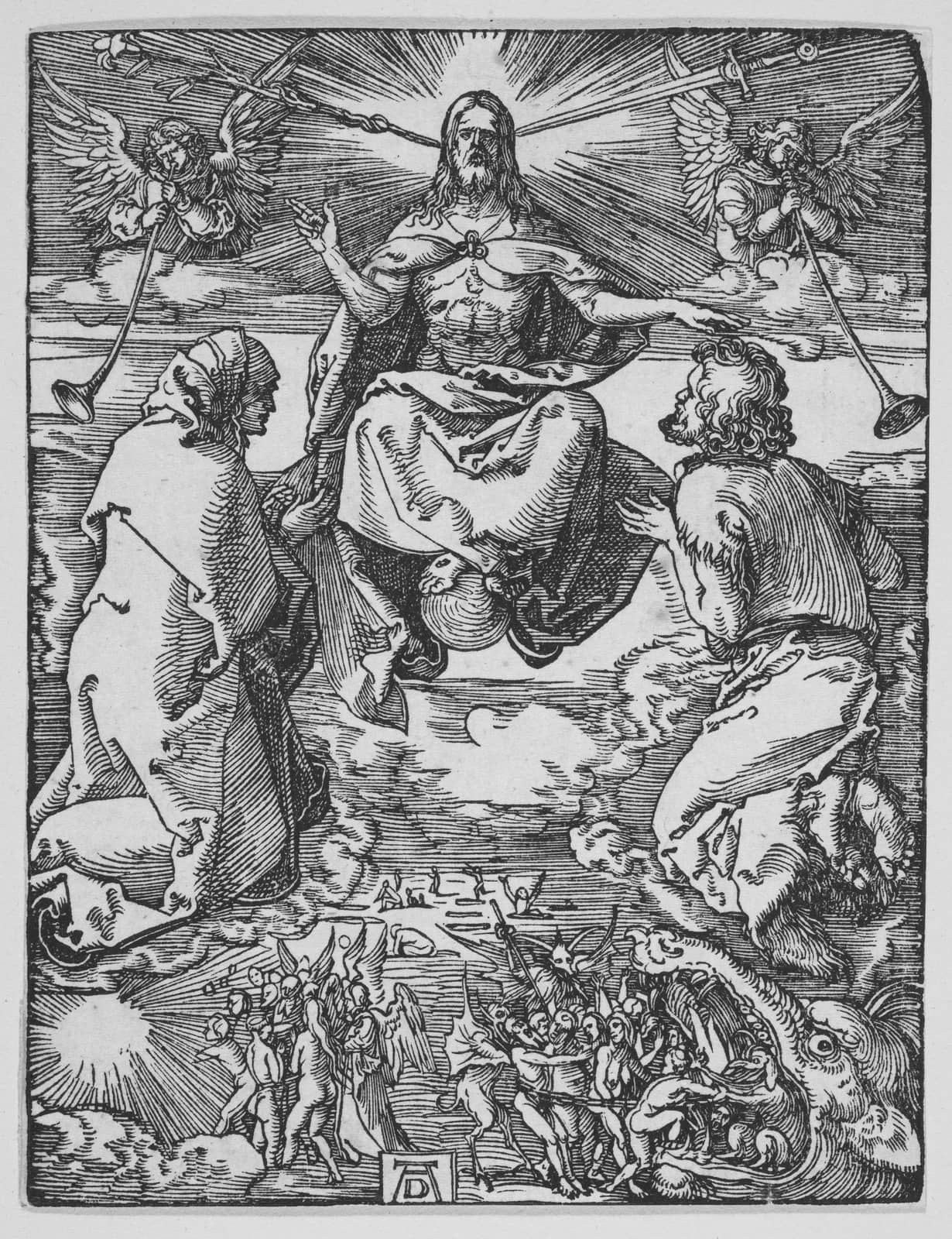
The Last Judgment
Albrecht Dürer (1471–1528), The Last Judgment, from The Small Passion, ca. 1510. Credits

Email view of this day