This day

August 7, 2027

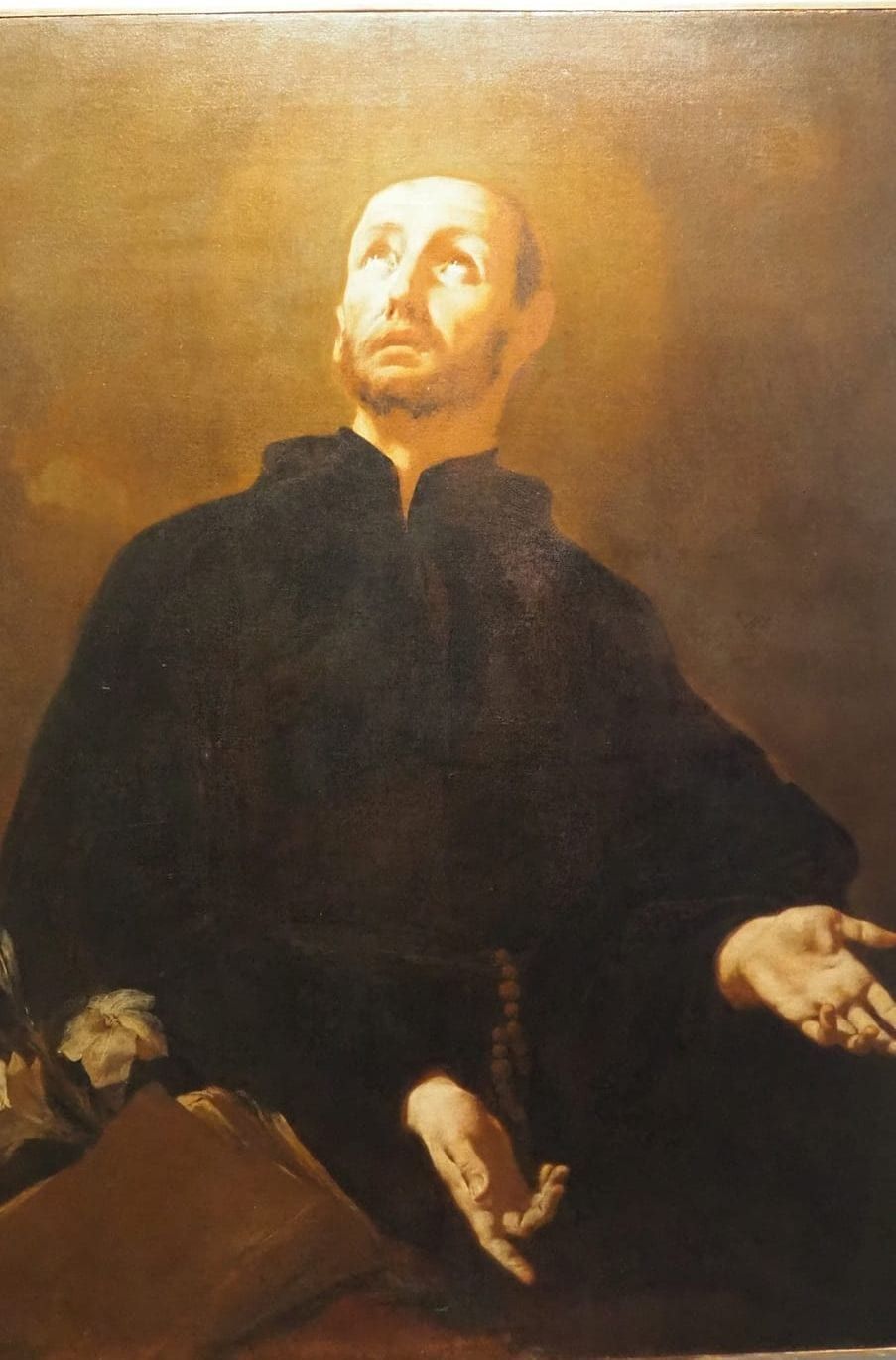
St Cajetan gazing upward with book and lilies
Saint Cajetan of Thiene, Giambattista Piazzetta (1683–1754). Credits

After Pentecost

August 7, 2027

A Double leads; St. Donatus is commemorated.Rubric

August 7: St. Cajetan of Tiene, Confessor

From Dom Guéranger’s The Liturgical Year.

CAJETAN appeared in all his zeal for the sanctuary at the time when the false reform was spreading rebellion throughout the world. The great cause of the danger had been the incapacity of the guardians of the Holy City, or their connivance by complicity of heart or of mind with pagan doctrines and manners introduced by an ill-advised revival. Wasted by the wild boar of the forest, could the vineyard of the Lord recover the fertility of its better days? Cajetan learned from eternal Wisdom the new method of culture required by an exhausted soil.

The urgent need of those unfortunate times was that the clergy should be raised up again by worthy life, zeal, and knowledge. For this object men were required who, being clerks themselves in the full acceptation of the word, with all the obligations it involves, should be to the members of the holy hierarchy a permanent model of its primitive perfection, a supplement to their shortcomings, and a leaven, little by little raising the whole mass. But where, save in the life of the counsels with the stability of its three vows, could be found the impulse, the power, and the permanence necessary for such an enterprise?
Chapter 2: The Mystery of the Time after Pentecost

From Dom Guéranger’s The Liturgical Year.

That we may thoroughly understand the meaning and influence of the season of the liturgical year upon which we have now entered, it is requisite for us to grasp the entire sequel of mysteries, which holy Church has celebrated in our presence and company; we have witnessed her services, and we have shared in them. The celebration of those mysteries was not an empty pageant, acted for the sake of being looked at. Each one of them brought with it a special grace, which produced in our souls the reality signified by the rites of the liturgy. At Christmas Christ was born within us; at Passiontide He passed on and into us His sufferings and atonements; at Easter He communicated to us His glorious, His untrammelled life; in His Ascension He drew us after Him, and this even to heaven’s summit; in a word, as the apostle expresses all this working, ‘Christ was formed in us.’

But, in order to give solidity and permanence to the image of Christ formed within us, it was necessary that the Holy Ghost should come, that so He might increase our light, and enkindle a fire within us that should never be quenched.

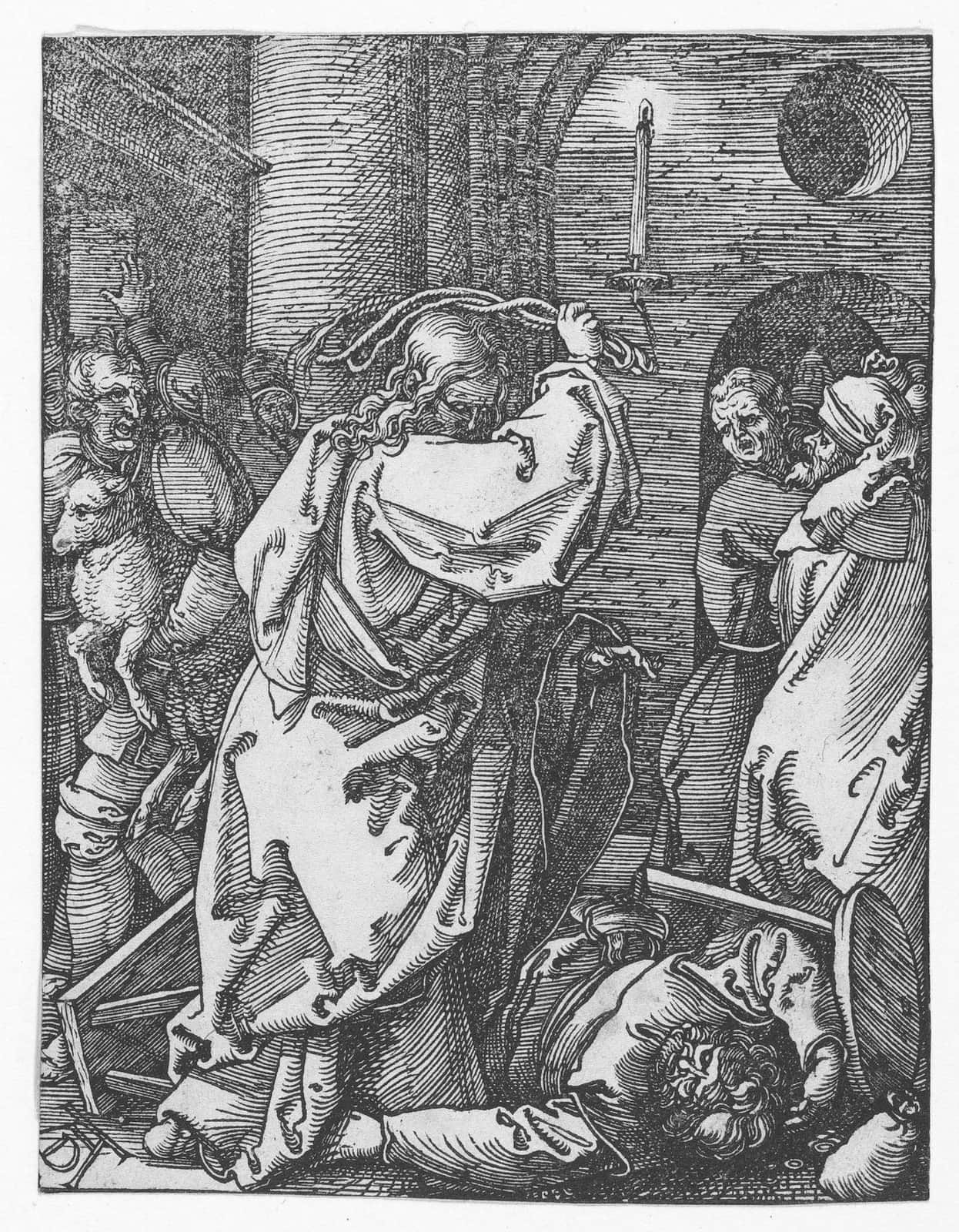
Christ driving the money-changers from the Temple
Albrecht Dürer (1471–1528), Christ Expelling the Money Lenders, from The Small Passion, ca. 1508. Credits

Email view of this day