This day

August 10, 2027

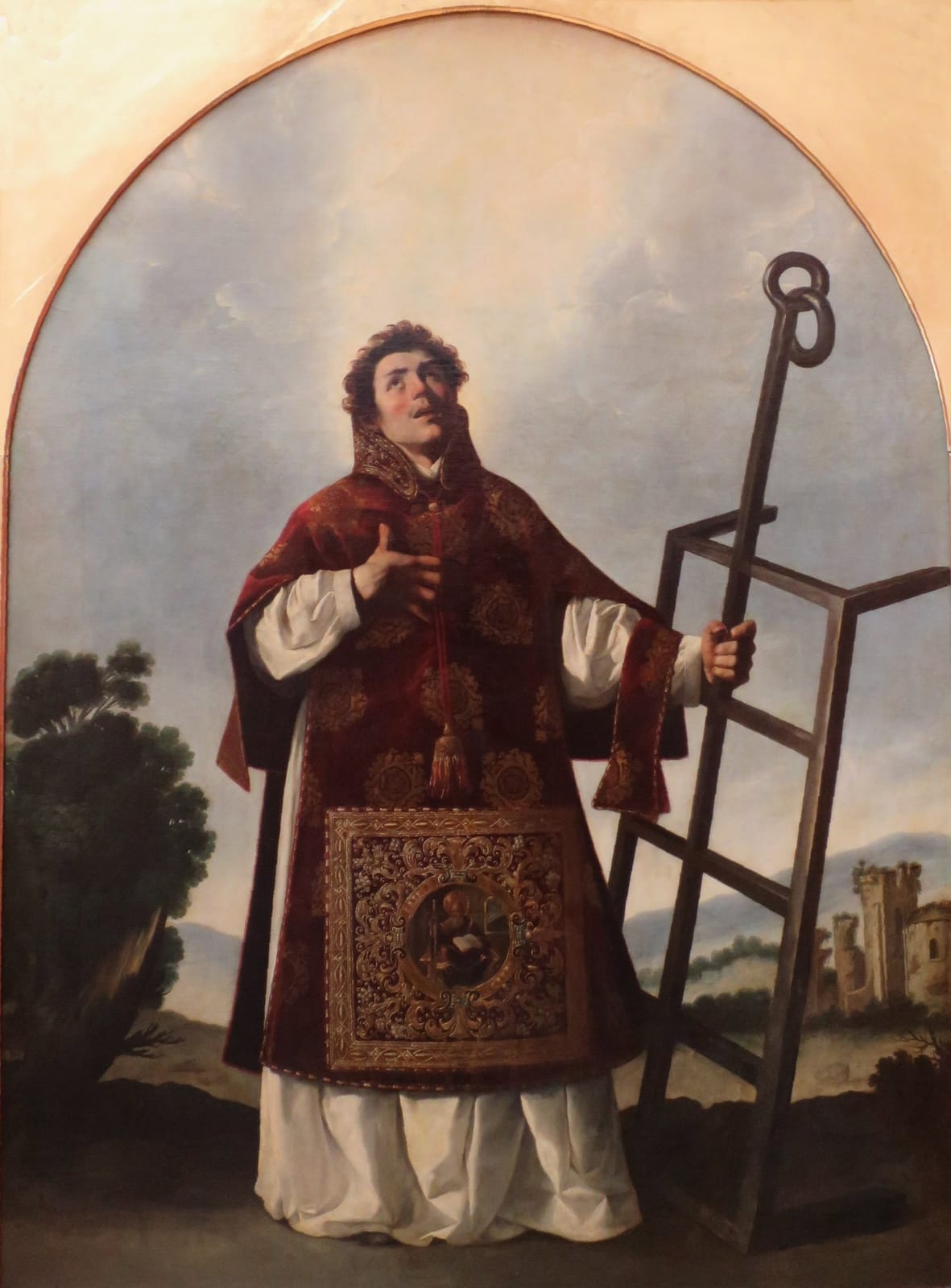
Saint Lawrence
Saint Lawrence, Francisco de Zurbarán (1598–1664), 1636. Credits

After Pentecost

August 10, 2027

August 10: St. Laurence, Deacon and Martyr

From Dom Guéranger’s The Liturgical Year.

‘ONCE the mother of false gods, but now the bride of Christ, O Rome, it is through Laurence thou art victorious! Thou hast conquered haughty monarchs and subjected nations to thine empire; but though thou hadst overcome barbarism, thy glory was incomplete till thou hadst vanquished the unclean idols. This was Laurence's victory, a combat bloody yet not tumultuous like those of Camillus or of Cæsar; it was the contest of faith, wherein self is immolated, and death is overcome by death. What words, what praises suffice to celebrate such a death? How can I worthily sing so great a martyrdom?'

Thus opens the sublime poem of Prudentius, composed little more than a century after the saint's martyrdom. In this work the poet has preserved to us the traditions existing in his own day, whereby the name of the Roman deacon was rendered so illustrious. About the same time St. Ambrose, with his irresistible eloquence, described the meeting of Sixtus and his deacon on the way to martyrdom. But, before both Ambrose and Prudentius, Pope St. Damasus chronicled the victory of Laurence's faith, in his majestic monumental inscriptions, which have such a ring of the days of triumph.

This week's Sunday: The Twelfth Sunday after Pentecost

From Dom Guéranger’s The Liturgical Year.

On this Sunday, which is their twelfth of Saint Matthew, the Greeks read in the Mass the episode of the young rich man who questions Jesus, given in the nineteenth chapter of the Saint’s Gospel. In the west, it is the Gospel of the Good Samaritan which gives its name to this twelfth Sunday after Pentecost.

The Introit begins with that beautiful verse of Psalm lxix.: 'Come to mine assistance, O God! O Lord, make haste to help me!’ Cassian, in his tenth Conference, has admirably drawn out the beauty of these words, and shows how they are appropriate for every circumstance of life, and how fully they respond to every sentiment of the Christian soul. Durandus applies this Introit to Job, because the lessons for the Divine Office, which are taken from that Book of Scripture, sometimes, though not often, coincide with this Sunday. Rupert looks on this Introit as the fitting prayer of the deaf and dumb man, whose cure was the subject of our reflexions this day last week.

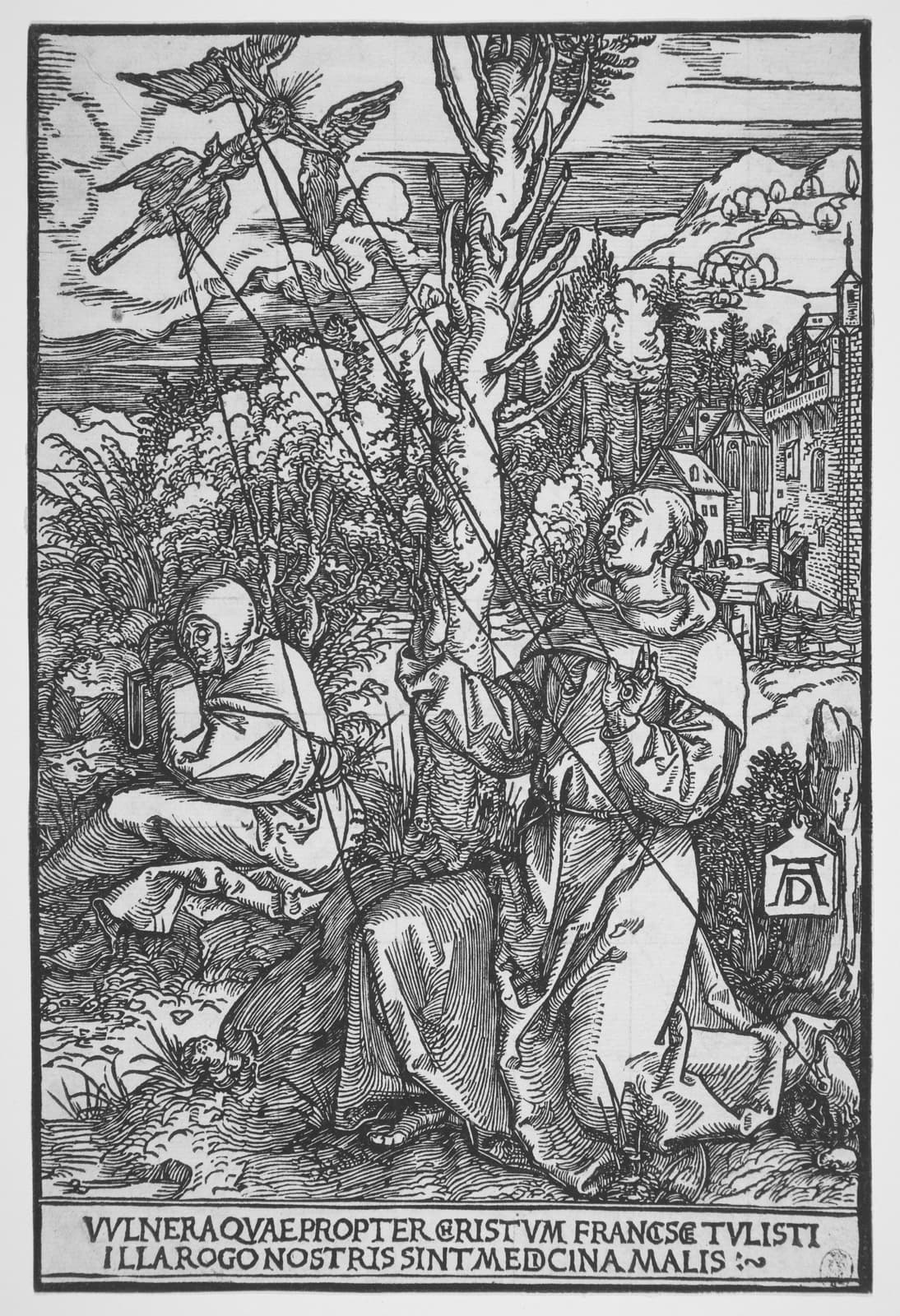
Saint Francis receiving the stigmata
Albrecht Dürer (1471–1528), Saint Francis Receiving the Stigmata, ca. 1503. Credits

Email view of this day