This day

October 13, 2027

After Pentecost

October 13, 2027

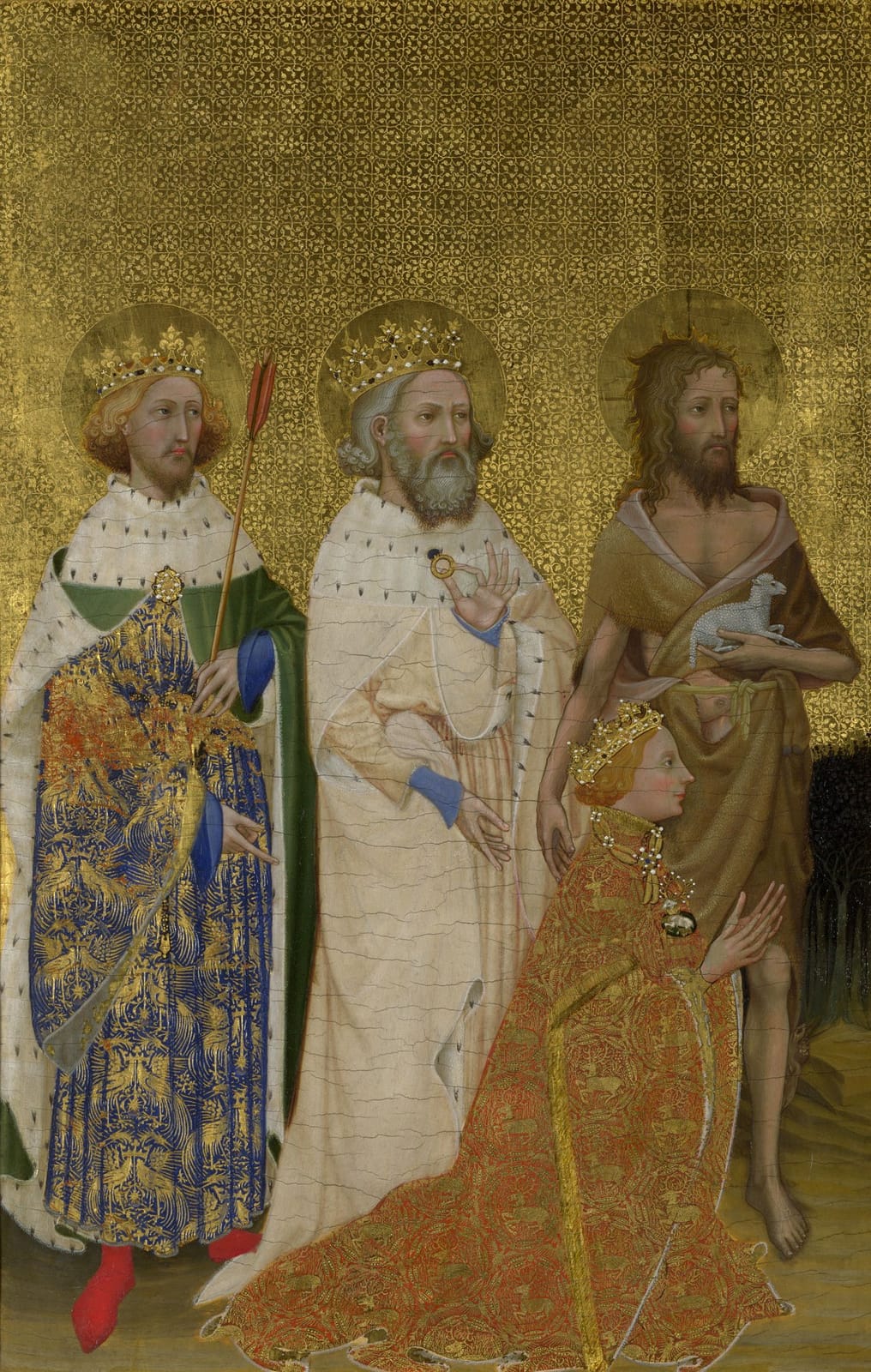
October 13: St. Edward the Confessor, King of England

From Dom Guéranger’s The Liturgical Year.

This glorious saint was like a beautiful lily, crowning the ancient branch of the kings of Wessex. The times had progressed since that sixth century, when the pagan Cerdic and other pirate chiefs from the North Sea scattered with ruins the island of saints. Having accomplished their mission of wrath, the Anglo-Saxons became instruments of grace to the land they had conquered. Evangelized by Rome, even as the Britons they had just chastised, they remembered, better than the latter, whence their salvation had come; a spring-tide blossoming of sanctity showed the pleasure God took once more in Albion, for the constant fidelity of the princes and people of the heptarchy towards the See of Peter. In the year of our Lord 800, Egbert, a descendant of Cerdic, had gone on pilgrimage to Rome, when a deputation from the West Saxons offered him the crown, beside the tomb of the Prince of the apostles, at whose feet Charlemagne, at that very time, was restoring the empire. As Egbert united under one sceptre the power of the seven kingdoms, so Saint Edward, his last descendant, represents to-day in his own person the glorious holiness of them all.

This week's Sunday: The Twenty-First Sunday after Pentecost

From Dom Guéranger’s The Liturgical Year.

The remaining Sundays are the last of the Church’s cycle; but their proximity to its termination varies each year, according as Easter is early or late. This their movable character does away with anything like harmony between the composition of their Masses and the Lessons of the night Office, which, dating from August, have been appointed and fixed for each week. This we explained to our readers on the seventh Sunday after Pentecost. Still, the instruction which the faithful ought to derive from the sacred liturgy would be incomplete, and the spirit of the Church, during these last weeks of her year, would not be sufficiently understood by her children, unless they were to remember, that the two months of October and November are filled, the first, with readings from the Book of the Machabees, whose example inspirits us for the final combats, and the second, with lessons from the Prophets, proclaiming to us the judgments of God.

Durandus, Bishop of Mende, in his Rational, tells us that this and the following Sundays till Advent bear closely on the Gospel of the marriage-feast, of which they are really but a further development.

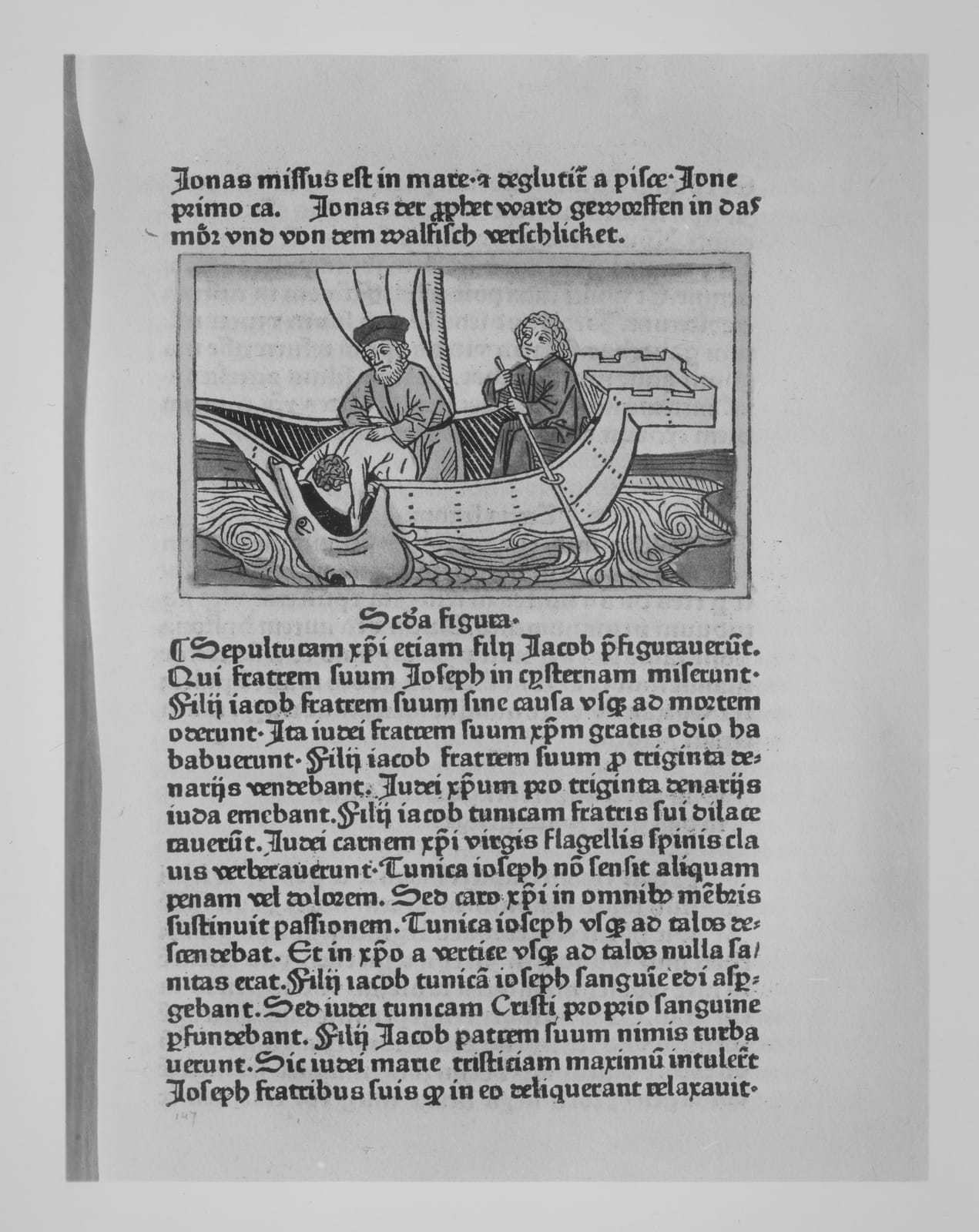
A woodcut opening from Speculum humanae salvationis
Günther Zainer (d. 1478), Speculum humanae salvationis, ca. 1473. Credits

Email view of this day