This day

October 14, 2027

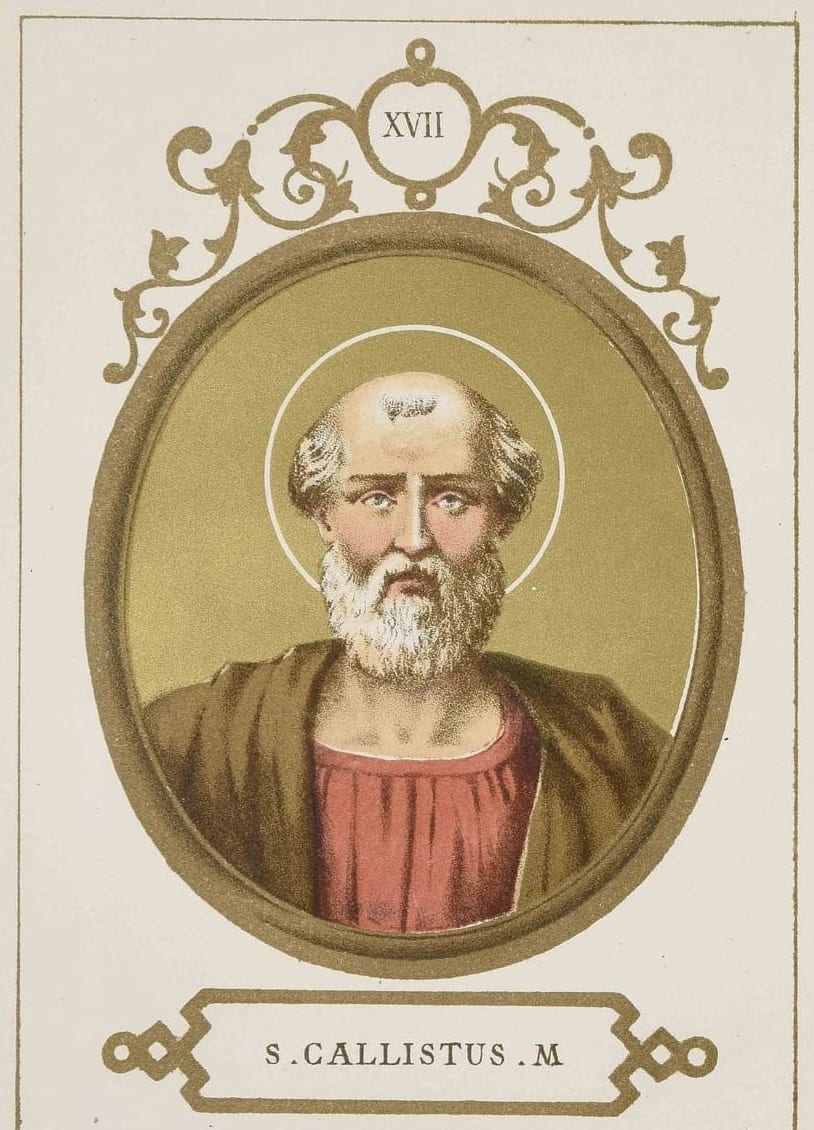
S. Callistus M.
S. Callistus M., Oleografia Panigati e Meneghini Milano, 1879. Credits

After Pentecost

October 14, 2027

October 14: St. Callixtus I, Pope and Martyr

From Dom Guéranger’s The Liturgical Year.

He was a sign of contradiction in Israel. In his own time, Christians were ranged either around him or against him. The trouble excited by his mere name sixteen hundred years ago, was renewed in the middle of the nineteenth century by the discovery of a famous book, which gave an occasion to the sectaries of our own days to stand with those of old against Callixtus and the Church. The book, entitled Philosophumena or refutation of heresies, was composed in the third century; it represented Callixtus, whose life and character were painted in the darkest colours, as one of the worst corruptors of doctrine.

In that third century, however, the author of the Philosophumena, attacking the Pontiff he wished to supplant, and setting up in Rome, as he himself acknowledges, Chair against Chair, did but publish to the Church his own shame, by ranging himself among those very dissenters of whom his book professed to be the refutation and the history. The name of this first antipope has not come down to us. But behold his punishment! The work of his envious pen, despised by his contemporaries, was to reappear at the right moment to awaken the slumbering attention of a far-off posterity.

This week's Sunday: The Twenty-First Sunday after Pentecost

From Dom Guéranger’s The Liturgical Year.

The remaining Sundays are the last of the Church’s cycle; but their proximity to its termination varies each year, according as Easter is early or late. This their movable character does away with anything like harmony between the composition of their Masses and the Lessons of the night Office, which, dating from August, have been appointed and fixed for each week. This we explained to our readers on the seventh Sunday after Pentecost. Still, the instruction which the faithful ought to derive from the sacred liturgy would be incomplete, and the spirit of the Church, during these last weeks of her year, would not be sufficiently understood by her children, unless they were to remember, that the two months of October and November are filled, the first, with readings from the Book of the Machabees, whose example inspirits us for the final combats, and the second, with lessons from the Prophets, proclaiming to us the judgments of God.

Durandus, Bishop of Mende, in his Rational, tells us that this and the following Sundays till Advent bear closely on the Gospel of the marriage-feast, of which they are really but a further development.

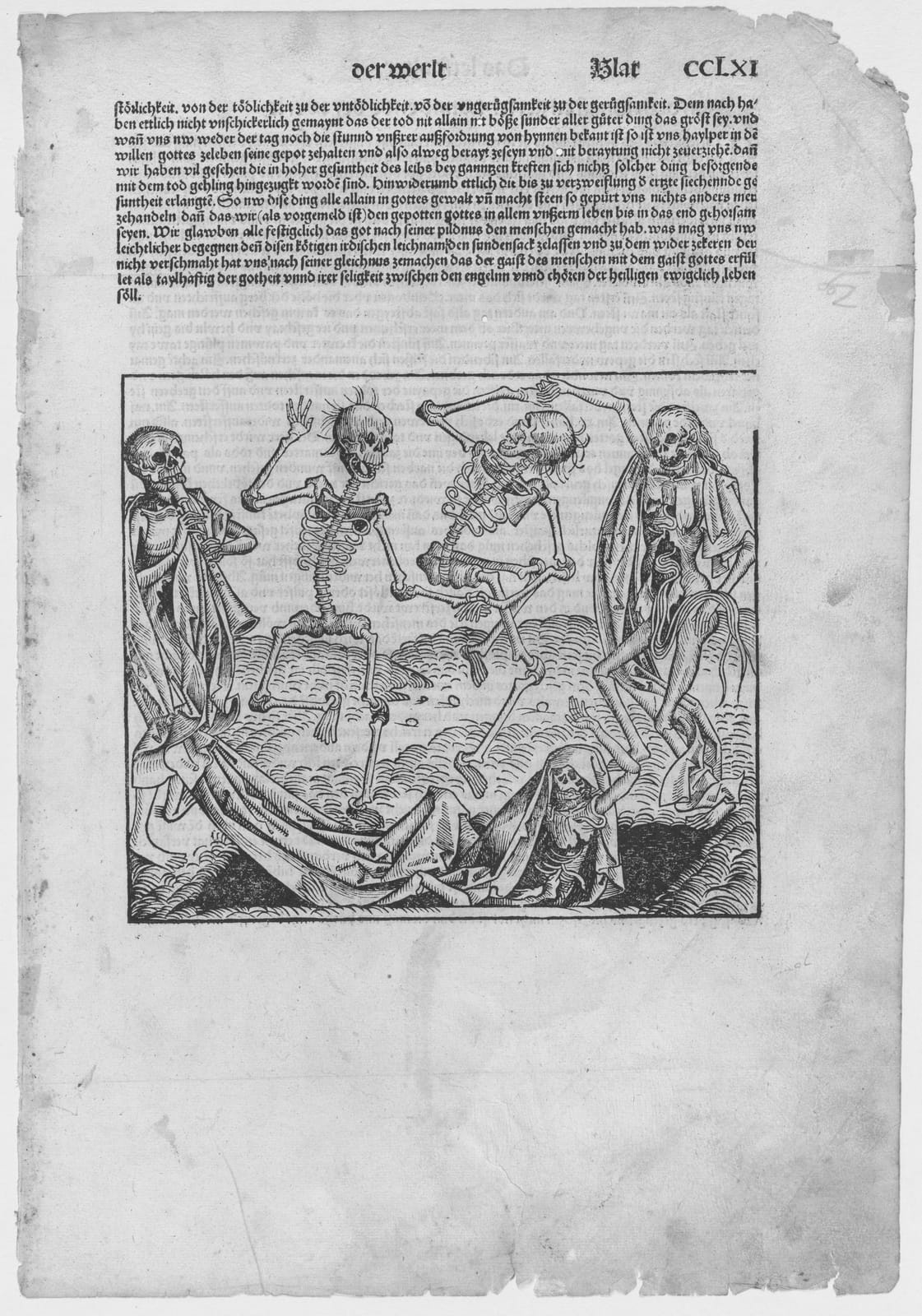
The dance of death, a leaf from the Nuremberg Chronicle
Michael Wolgemut (1434–1519), Dance of Death, from The Nuremberg Chronicle, 1493. Credits

Email view of this day