This day

May 17, 2028

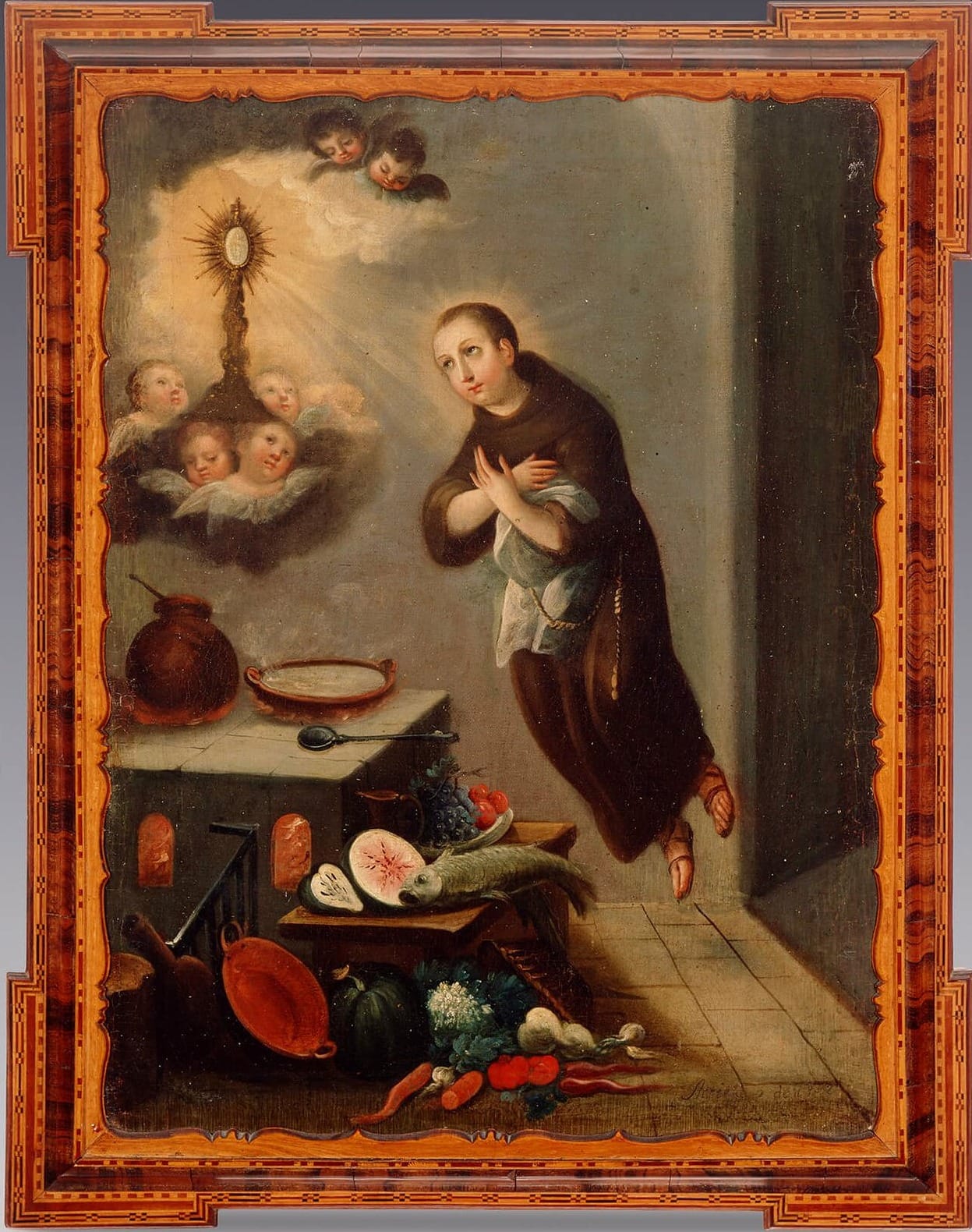
St Paschal Baylon in Franciscan habit
Saint Paschal Baylon, José Agustín Arrieta (1803–1874). Credits

Paschal Time

May 17, 2028

A Double leads the weekday.Rubric

May 17: St. Paschal Baylon, Confessor

From Dom Guéranger’s The Liturgical Year.

THE Seraph of Assisi was sure to depute some of his children to pay their court to his Risen Master. The one he sends to-day is the humblest and most obscure of men; another will follow, three days hence, powerful in word and work, and holding a palm in his hands, as a most devoted preacher of the Gospel. Paschal Baylon was a simple peasant. He was a shepherd-boy; and it was in tending his flock that he found the Lord Jesus. He had a great love for contemplation. Forests and fields spoke to him of their great Creator; and, in order that he might be the more closely united with him, he resolved to seek him in the highest paths of perfection. He was ambitious to imitate the humble, poor and suffering life of the Man-God; the Franciscan Cloister offered him the opportunity of satisfying this desire and he flew to it. On that blessed soil, he grew to be one of heaven's choicest plants, and the whole earth has now heard the name of the humble lay-brother of a little convent in Spain.

Wednesday of the Fifth Week after Easter

From Dom Guéranger’s The Liturgical Year.

℣. In thy resurrection, O Christ, alleluia.
℟. Let heaven and earth rejoice, alleluia.

WE now come to the fourth sacrament, which may be justly called the sacrament of mercy. Jesus knew the weakness of man. He knew that the great majority of Christians would not persevere in the grace they received at baptism; and that sin would in most cases spoil the beautiful plant which had been watered by the dew of heaven, and which, after growing and flowering, was to be transplanted into the garden of eternal life. Like grass that lies withered on the field, so would be this once fair plant. How could it ever revive, unless he that made it gave it life again? Thanks to his infinite mercy, this is what he has the will to do. Consulting the sinner's salvation rather than his own glory, he prepared, as the holy Fathers express it, a second plank after shipwreck. The first was baptism; but mortal sin came, and the soul was again plunged into the wild abyss.

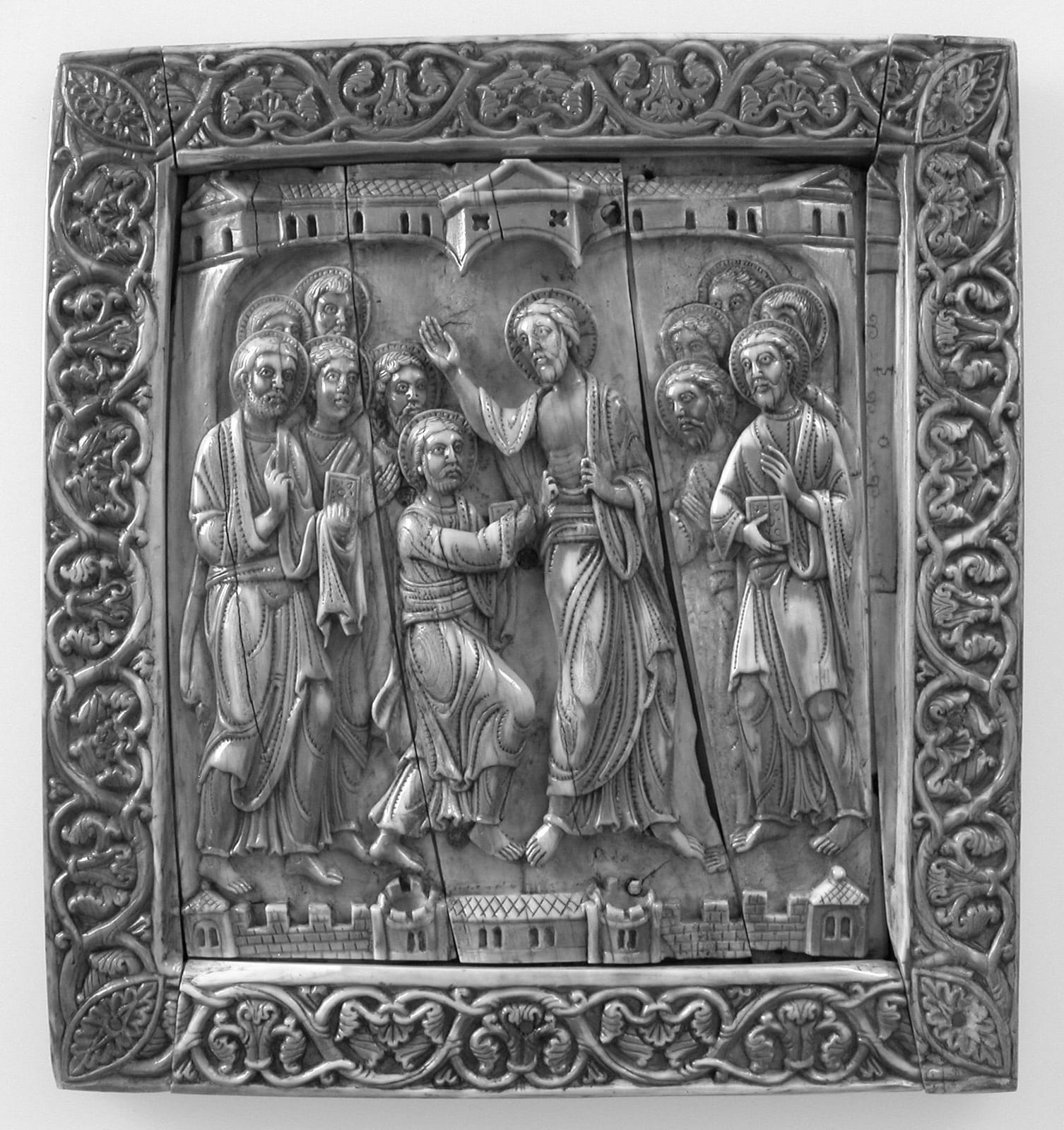
The Incredulity of Saint Thomas: Thomas touches the side of the risen Christ
Ottonian (Magdeburg), Plaque with Doubting Thomas, ca. 1140–60. Credits

Email view of this day