This day

May 30, 2028

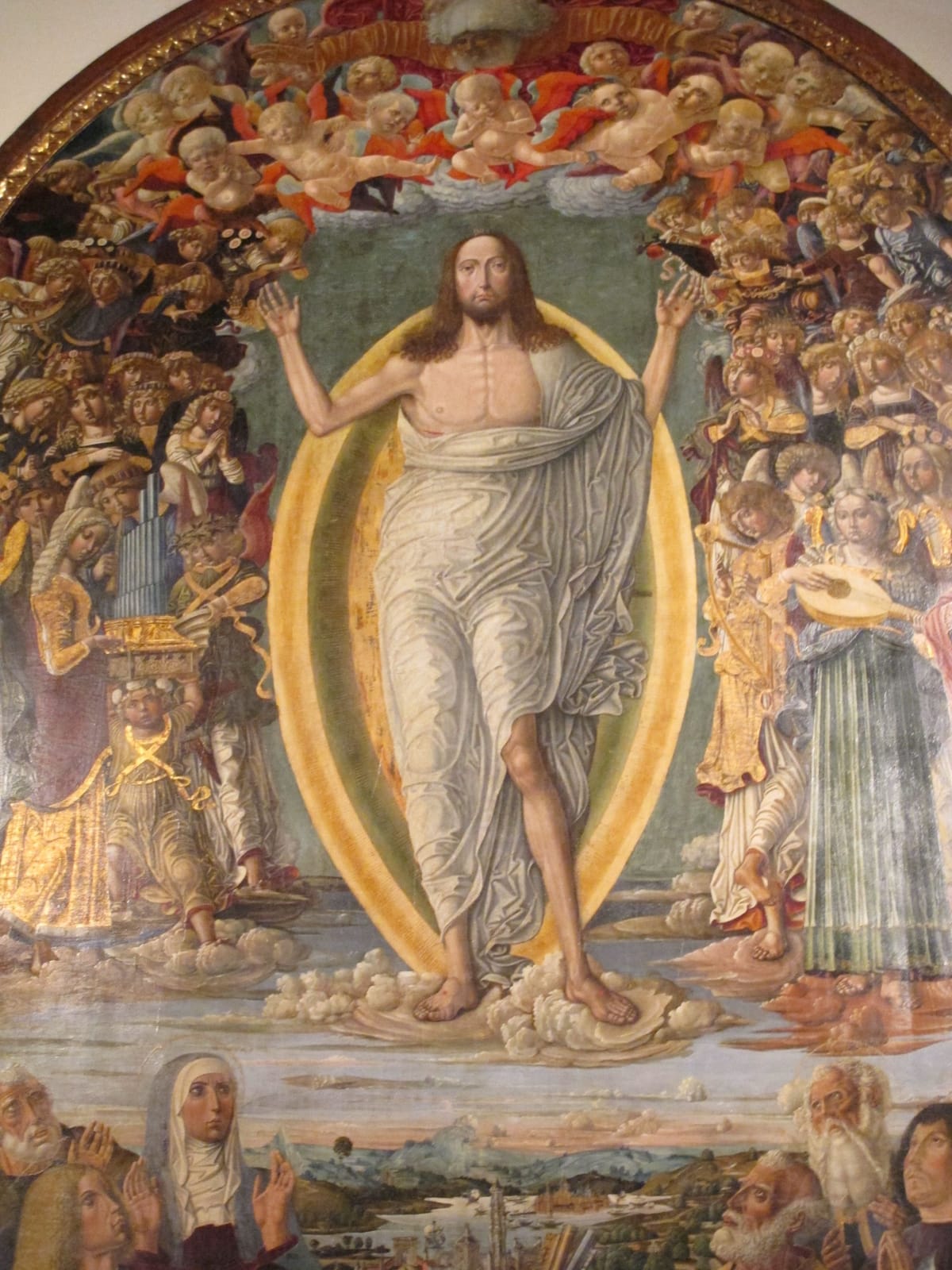
Christ stands in a mandorla of angels above Mary and the apostles, footprints on the rock
The Ascension of Christ, Benvenuto di Giovanni (1436–c. 1518). Credits

Paschal Time

May 30, 2028

Tuesday within the Octave of the Ascension

From Dom Guéranger’s The Liturgical Year.

O King of glory, Lord of hosts, who didst this day ascend in triumph above all the heavens! leave us not orphans, but send upon us the Spirit of truth, promised by the Father, alleluia.

The Lord of glory has ascended into heaven, and, as the apostle says, He has gone thither as our forerunner; but how are we to follow Him to this abode of holiness, we whose path is beset with sin, we who are ever needing pardon rather than meriting anything like glory? This brings us to another consequence of the exhaustless mystery of the Ascension; let us give it our closest attention. Jesus has gone to heaven, not only that He may reign as King, but also that He may intercede for us as our High Priest, and, in this quality, obtain for us both the pardon of our sins and the graces we need for following Him to glory. He offered Himself on the cross as a victim of propitiation for our sins; His precious Blood was shed as our superabundant ransom; but the gate of heaven remained shut against us, until He threw it open by His own entrance into that sanctuary, where He was to exercise His eternal office of’Priest according to the order of Melchisedech.’

Chapter 8: Of the Office of Compline for Sundays and Feasts during Paschal Time

From Dom Guéranger’s The Liturgical Year.

THIS Office, which concludes the day, commences by a warning of the dangers of the night; then immediately follows the public confession of our sins, as a powerful means of propitiating the divine justice and obtaining God’s help, now that we are going to spend so many hours in the unconscious and therefore dangerous state of sleep, which is also such an image of death.

May the Almighty Lord grant us a quiet night and a perfect end.
℟. Amen.

The lector then reads these words, from the first Epistle of St Peter: Fratres: Sobrii estote, et vigilate: quia adversarius vester diabolus, tamquam leo rugiens circuit quærens quem devoret: cui resistite fortes in fide. Tu autem, Domine, miserere nobis.

Brethren, be sober and watch: for your adversary the devil goes about like a roaring lion, seeking whom he may devour: resist him, being strong in faith. But thou, O Lord, have mercy on us.

Then the Lord’s Prayer is recited in secret; after which the priest says the Confiteor; and when he has finished, the choir says: Misereatur tui omnipotens Deus, et dimissis peccatis tuis, perducat te ad vitam æternam.

Christ stands in a mandorla of angels above Mary and the apostles, footprints on the rock
Benvenuto di Giovanni (1436–c. 1518), The Ascension of Christ. Pinacoteca Nazionale, Siena. Public domain (Wikimedia Commons PD-Art). Credits

Email view of this day