This day

July 19, 2028

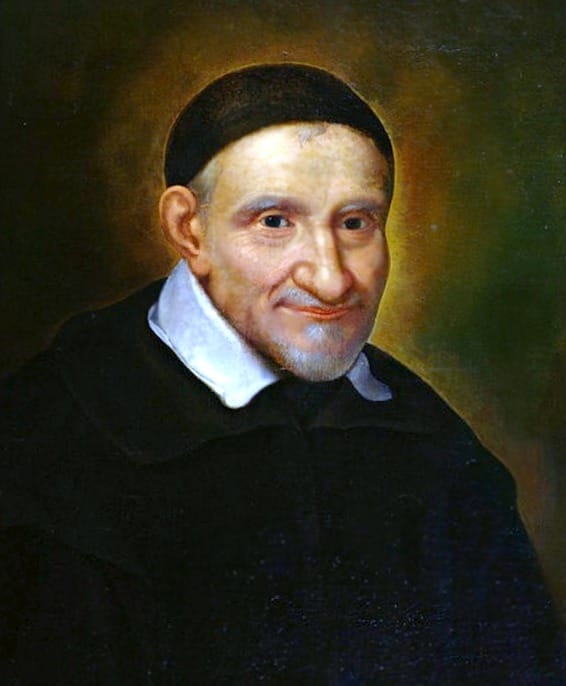
St Vincent de Paul
Vincent de Paul. Credits

After Pentecost

July 19, 2028

July 19: St. Vincent de Paul, Confessor

From Dom Guéranger’s The Liturgical Year.

VINCENT was a man of faith that worketh by charity At the time he came into the world—viz., at the close of the same century in which Calvin was born—the Church was mourning over many nations separated from the faith; the Turks were harassing all the coasts of the Mediterranean. France, worn out by forty years of religious strife, was shaking off the yoke of heresy from within, while by a foolish stroke of policy she gave it external liberty. The Eastern and Northern frontiers were suffering the most terrible devastations, and the West and centre were the scene of civil strife and anarchy. In this state of confusion, the condition of souls was still more lamentable. In the towns alone was there any sort of quiet, any possibility of prayer. The country people, forgotten, sacrificed, subject to the utmost miseries, had none to support and direct them but a clergy too often abandoned by their bishops, unworthy of the ministry, and wellnigh as ignorant as their flocks. Vincent was raised up by the Holy Spirit to obviate all these evils.

This week's Sunday: The Sixth Sunday after Pentecost

From Dom Guéranger’s The Liturgical Year.

The Office for the sixth Sunday after Pentecost, which began yesterday evening, reminded us, in its Magnificat antiphon, of a repentance which has never had an equal. David, the royal prophet, the conqueror of Goliath, himself conquered by sensuality, and from adulterer become a murderer, at last felt the crushing weight of his double crime, and exclaimed: 'I do beseech thee, O Lord, take away the iniquity of thy servant, for I have done foolishly!'

Sin is always a folly and a weakness, no matter of what kind it may be, or who he be that commits it. The rebel angel, and fallen man, may, in their pride, make efforts to persuade themselves that, when they sinned, they did not act as fools, and were not weak; but all their efforts are vain; sin must ever have this disgrace upon it, that it is folly and weakness, for it is a revolt against God, a contempt for His law, a mad act or the creature, who, being made by his.

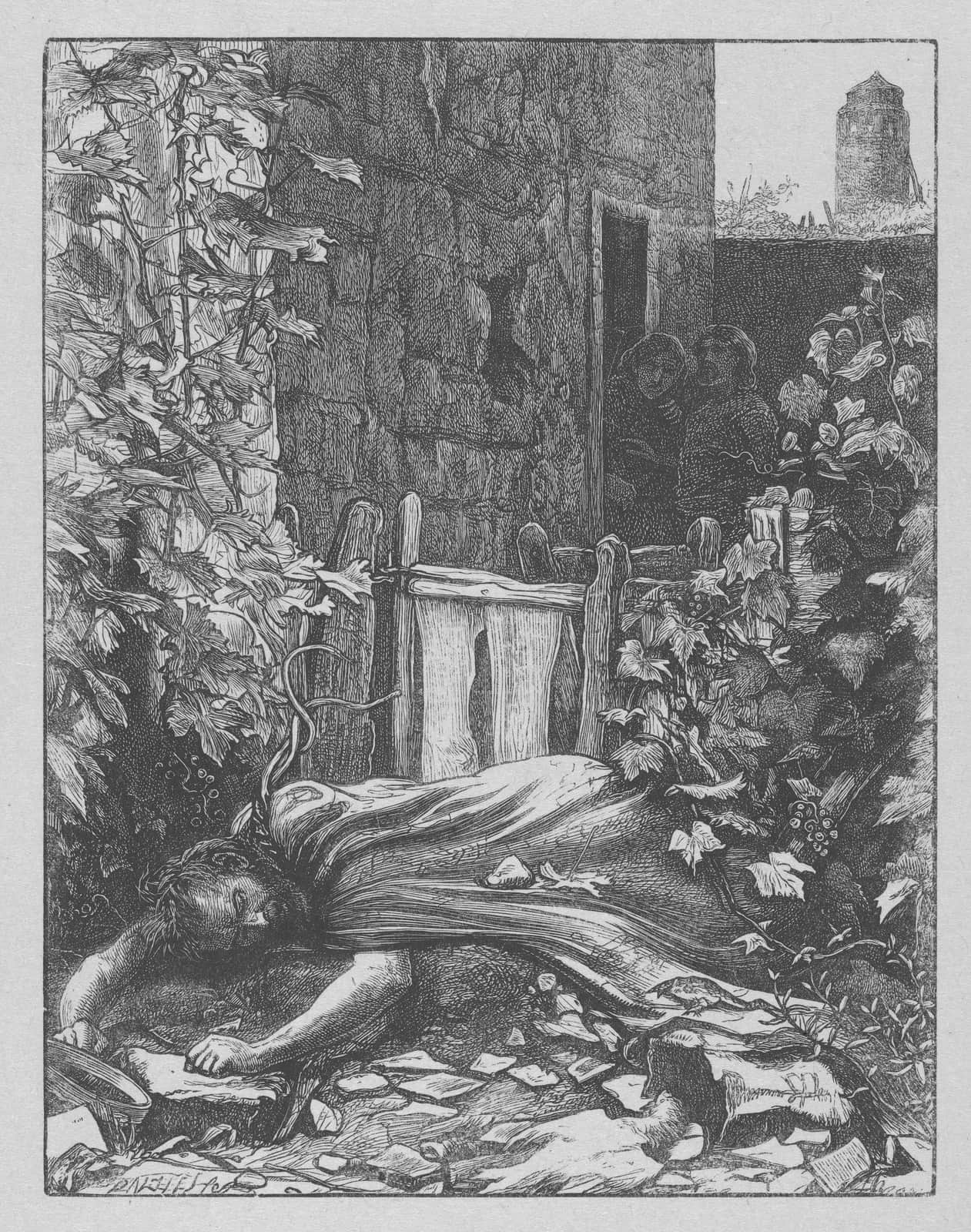
The parable of the wicked husbandmen
Sir John Everett Millais (1829–1896), The Wicked Husbandmen, from The Parables of Our Lord and Saviour Jesus Christ, 1864. Credits

Email view of this day