This day

February 7, 2029

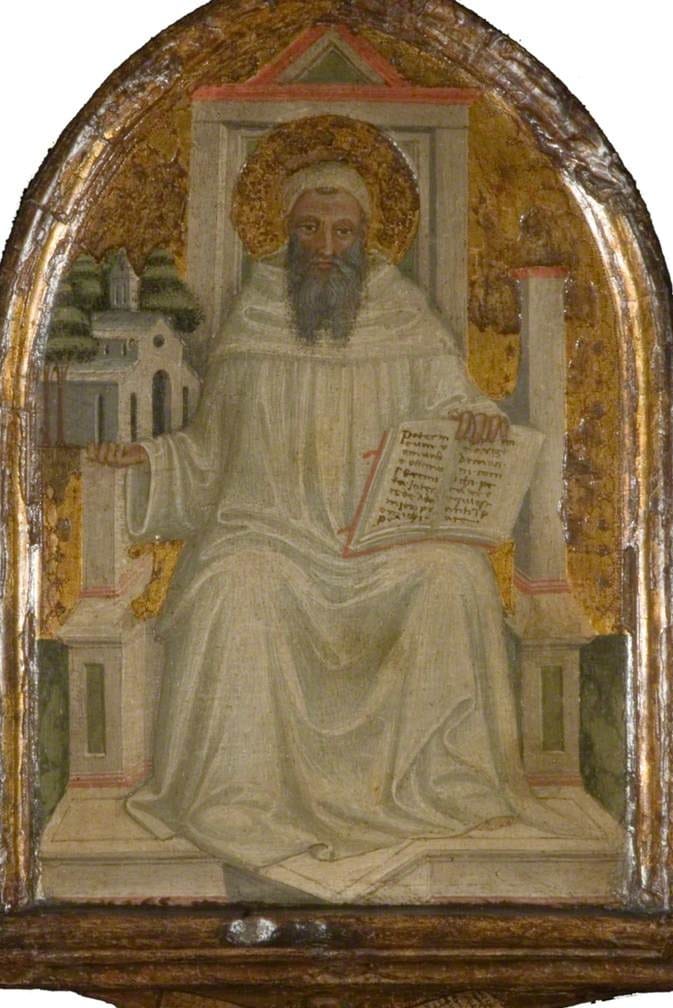
St Romuald in white Camaldolese habit seated with an open book against a gold ground
Saint Romuald, Bicci di Lorenzo (1373–1452). Credits

Septuagesima

February 7, 2029

A Double leads the weekday.Rubric

February 7: St. Romuald, Abbot

From Dom Guéranger’s The Liturgical Year.

The calendar’s list of martyrs is interrupted for two days; the first of these is the feast of Romuald, the hero of penance, the saint of the forests of Camaldoli. He is a son of the great patriarch St. Benedict, and, like him, is the father of many children. The Benedictine family has a direct line from the commencement, even to this present time; but, from the trunk of this venerable tree there have issued four vigorous branches, to each of which the Holy Spirit has imparted the life and fruitfulness of the parent stem. These collateral branches of the Benedictine Order are: Camaldoli, founded by Romuald; Cluny, by Odo; Vallombrosa, by John Gualbert; and Citeaux, by Robert of Molesmes.

The saint of this seventh day of February is Romuald. The martyrs whom we meet with on our way to Lent, give us an important lesson by the contempt they had for this short life. But the teaching offered us by such holy penitents as the great abbot of Camaldoli is even more practical than that of the martyrs. ‘They that are Christ’s,’ says the apostle, 'have crucified their flesh, with its vices and concupiscences’; and in these words he tells us what is the distinguishing character of every true Christian.


Wednesday of Sexagesima Week

From Dom Guéranger’s The Liturgical Year.

O God of infinite justice! we have sinned; we have abused the life Thou hast given us: and when we read, in Thy Scriptures, how Thine anger chastised the sinners of former days, we are forced to acknowledge, that we have deserved to be treated in like manner. We have the happiness to be Christians and children of Thy Church; the light of faith, and the power of Thy grace, have brought us once more into Thy friendship; but how can we forget that we were once Thy enemies? And are we so deeply rooted in virtue, that we can promise ourselves perseverance in it to the end? Pierce, O Lord! pierce my flesh with Thy fear. Man’s heart is hard, and unless it fear Thy sovereign Majesty, it may again offend Thee.

We are penetrated with fear, when we remember that Thou didst bury the world and destroy mankind by the waters of the deluge; for we learn by this, how Thy patience and long-suffering may be changed into inexorable anger. Thou art just, O Lord! and who shall presume to take scandal, or to murmur, when Thy wrath is enkindled against sinners?

A sower scatters seed on rocky and thorny ground
Sir John Everett Millais (1829–1896), The Sower, from The Parables of Our Lord and Saviour Jesus Christ, 1864. Credits

Email view of this day