Paschal Time
April 11, 2029
A Double leads the weekday.Rubric
April 11: St. Leo the Great, Pope and Doctor of the Church
From Dom Guéranger’s The Liturgical Year.
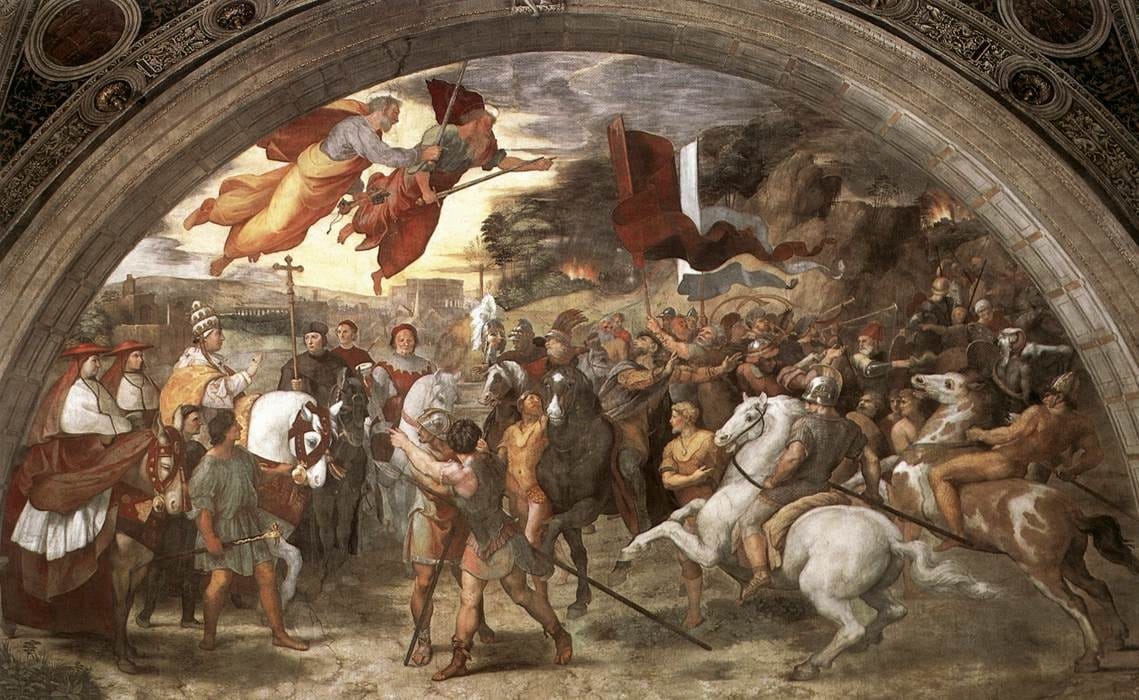
ONE of the grandest Saints in the Church’s Calendar is brought before us to-day. Leo, the Pontiff and Doctor, rises on the Paschal horizon, and calls for our admiration and love. As his name implies, he is the Lion of Holy Church; thus representing, in his own person, one of the most glorious of our Lord’s titles. There have been thirteen Popes who have had this name, and five of the number are enrolled in the catalogue of Saints; but not one of them has so honoured the name as he whose feast we keep to-day: hence he is called ‘Leo the Great.’
He deserved the appellation by what he did for maintaining the faith regarding the sublime mystery of the Incarnation. The Church had triumphed over the heresies that had attacked the dogma of the Trinity, when the gates of hell sought to prevail against the dogma of God having been made Man. Nestorius, a bishop of Constantinople, impiously taught that there were two distinct Persons in Christ the Person of the Divine Word, and the Person of Man. The Council of Ephesus condemned this doctrine, which, by denying the unity of Person in Christ, destroyed the true notion of the Redemption.