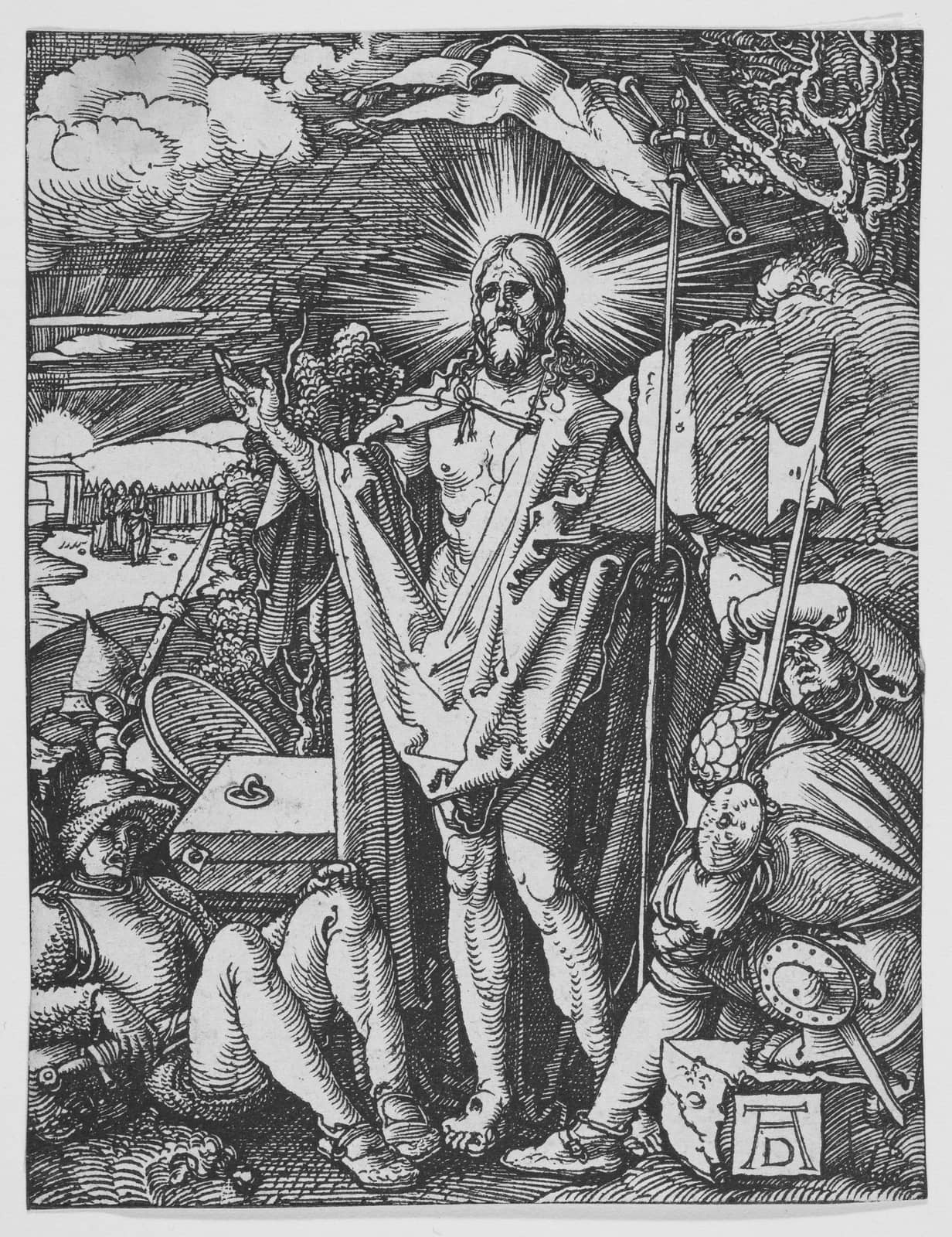
Paschal Time
April 18, 2029
Wednesday of the Third Week after Easter
From Dom Guéranger’s The Liturgical Year.
℣. In thy resurrection, O Christ, alleluia.
℟. Let heaven and earth rejoice, alleluia.
THERE is nothing on earth so grand, nothing so exalted, as the princes of the Church—the pastors, appointed by the Son of God—who are to follow on, in unbroken succession, to the end of time: but let us not suppose that the subjects of this vast empire, called the Church, are devoid of dignity and greatness. The Christian people, in which both prince and beggar are equally subjects, is superior to every other, in intellectual and moral worth. It carries civilization with it, wheresoever it goes, for it carries with it the true notion of God and of the supernatural end of man. Barbarism recedes; pagan institutions, how ancient soever they may be, are forced to give way. Even Greece and Rome laid down their own laws to adopt those of the Christian code—the code which was based on the Gospel. So, too, in our own times, the mere sight of a Christian army, though composed of but a few thousand men, struck terror into the heart of an immense empire of the East: its ruler who counts four hundred million subjects, and calls himself the ‘Son of the Celestial Empire, was so overcome by fear that without offering the slightest resistance he fled from his palaces and capital.