This day

May 8, 2029

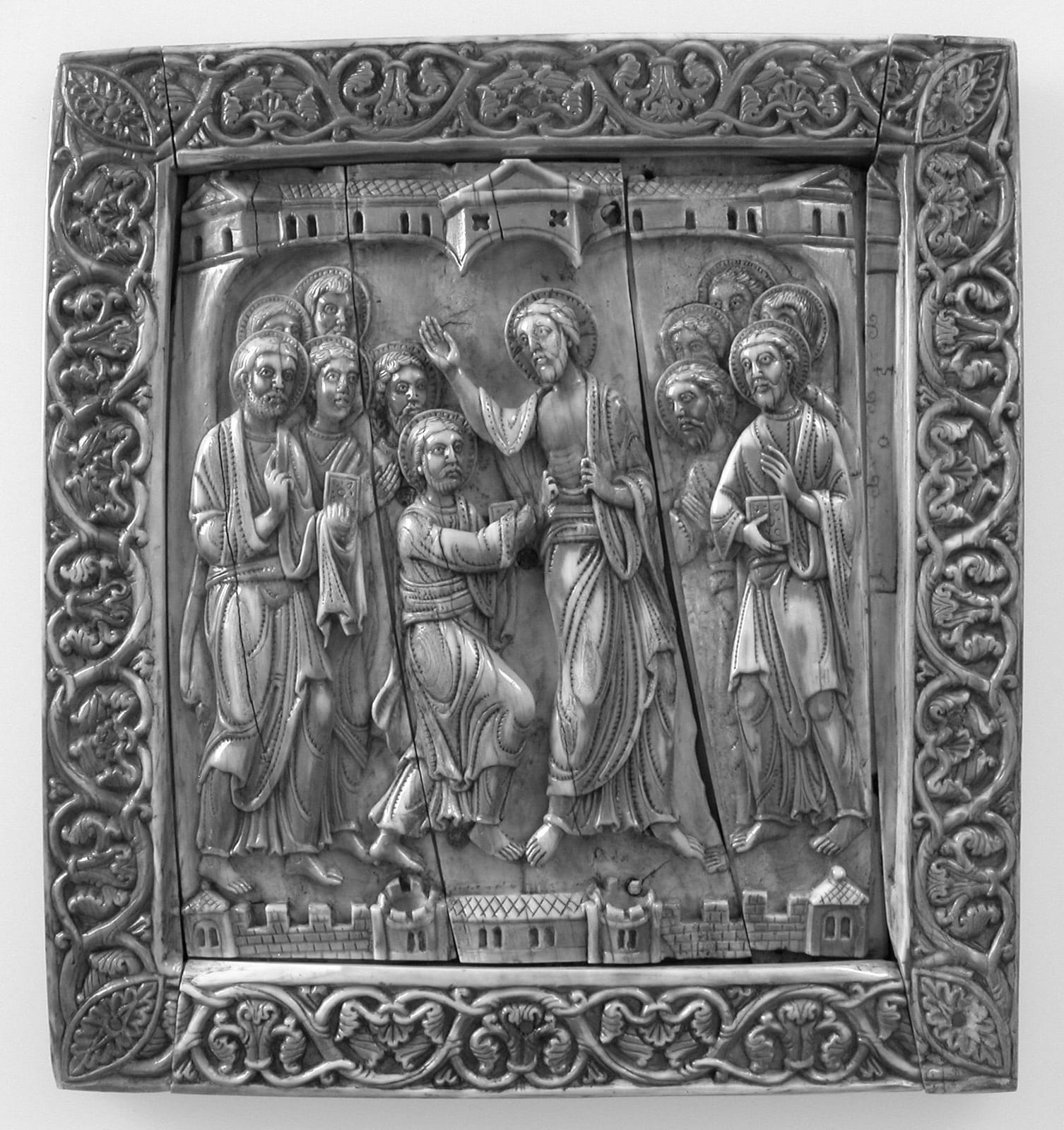
The Incredulity of Saint Thomas: Thomas touches the side of the risen Christ
Plaque with Doubting Thomas, Ottonian (Magdeburg), ca. 1140–60. Credits

Paschal Time

May 8, 2029

Rogation Days: Tuesday

From Dom Guéranger’s The Liturgical Year.

To-day, again, the great Litany, the supplication, is heard from the house of the Lord: the solemn procession re-appears in the streets of the city, and in the quiet lanes of the country. Let us take our share in this sacred rite; let us blend our voice with that of our mother, and join the cry that pierces the clouds: Kyrie eleison! Lord have mercy on us! Let us think, for a moment, of the countless sins that are being committed, day and night; and let us sue for mercy. In the days of Noe, all flesh had corrupted its way; but men thought not of asking for mercy. The flood came, and destroyed them all, says our Saviour. Had they prayed, had they begged God’s pardon, the hand of His justice would have been stayed, and the flood-gates of heaven would not have been opened. The day is to come, when not water as heretofore, but fire, is suddenly to be enkindled by the divine wrath, and is to burn the whole earth. It shall burn even the foundations of the mountains; it shall devour sinners, who will be resting then, as they were in the days of Noe, in a false security.

Chapter 6: On Holy Communion during Paschal Time

From Dom Guéranger’s The Liturgical Year.

IN Passiontide, the Christian went to holy Communion impressed with these words of the Apostle: ‘As often as ye shall eat this Bread, and drink the Chalice, ye shall show the death of the Lord.’ He united himself with the divine Victim immolated for the sins of the world, and he died with his Saviour. During Paschal Time, the heavenly Food produces its effects in another manner; it fortifies the life of the soul, and gives to the body the germ of immortality. It is true that in each season of the liturgical year this twofold effect is produced in those who worthily receive Communion, namely, immolation and resurrection; but as, during the days consecrated to the Passion, the application of the mystery of immolation and sacrifice is more direct and more in accordance with the sentiments of the communicant, so also, during Paschal Time, the divine contact of the Body of our risen Jesus makes us feel, in a way that Easter alone can do, that to the holy Eucharist we owe the future resurrection of our bodies.

Our Saviour himself teaches us this, where he says: ‘Your fathers did eat manna in the desert, and are dead.

The Incredulity of Saint Thomas: Thomas touches the side of the risen Christ
Ottonian (Magdeburg), Plaque with Doubting Thomas, ca. 1140–60. Credits

Email view of this day