This day

May 7, 2029

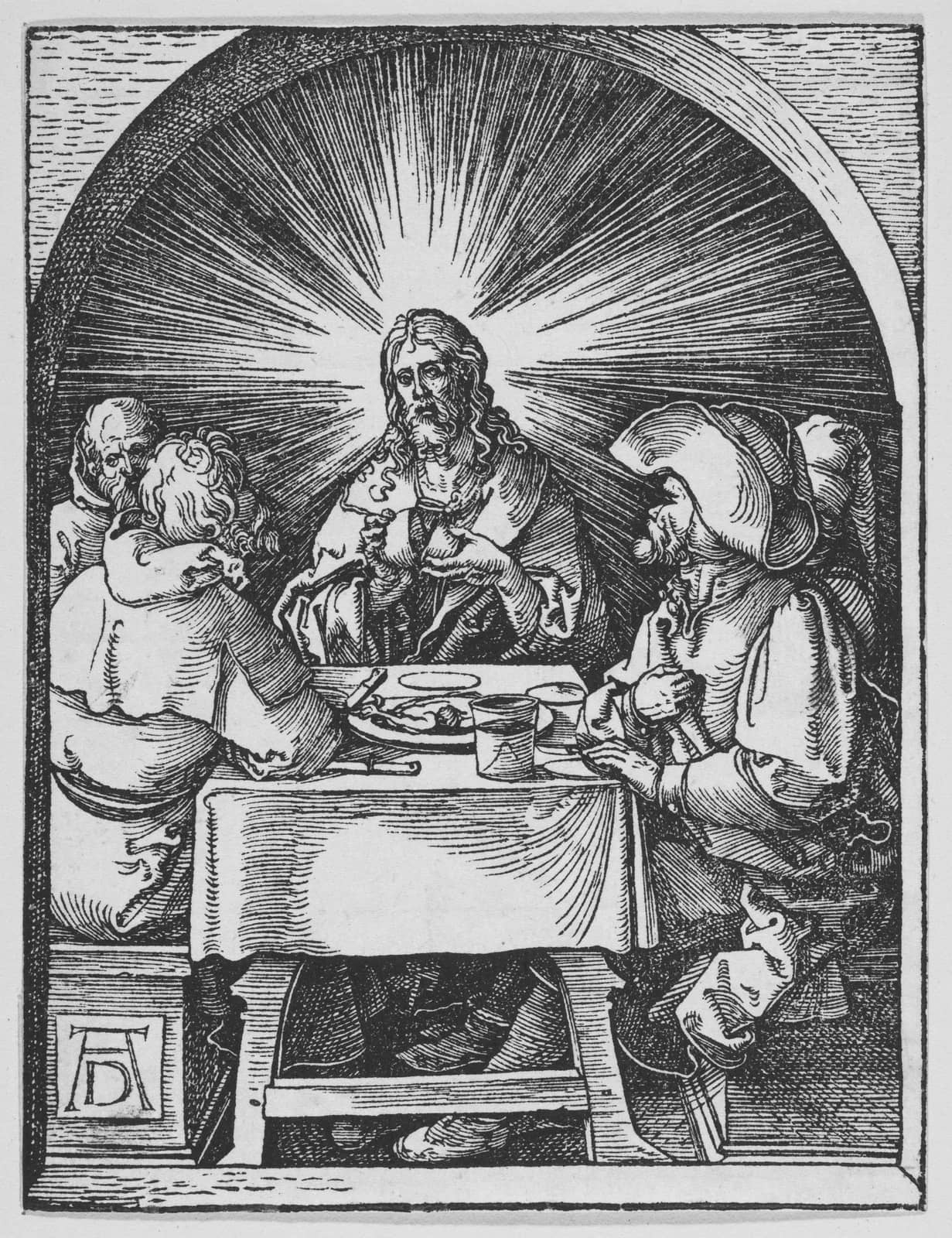
The risen Christ breaking bread with two disciples at Emmaus
Christ in Emmaus, Albrecht Dürer (1471–1528), ca. 1510. Credits

Paschal Time

May 7, 2029

Rogation Days: Monday

From Dom Guéranger’s The Liturgical Year.

It seems strange that there should be anything like mourning during Paschal Time: and yet these three days are days of penance. A moment’s reflection, however, will show us that the institution of the Rogation days is a most appropriate one. True, our Saviour told us, before His Passion, that ‘the children of the Bridegroom should not fast whilst the Bridegroom is with them’: but is not sadness in keeping with these the last hours of Jesus’ presence on earth? Were not His Mother and disciples oppressed with grief at the thought of their having so soon to lose Him, whose company had been to them a foretaste of heaven?

Let us see how the liturgical year came to have inserted in its calendar these three days, during which holy Church, though radiant with the joy of Easter, seems to go back to her lenten observances. The Holy Ghost, who guides hex in all things, willed that this completion of her paschal liturgy should owe its origin to a devotion peculiar to one of the most illustrious and venerable Churches of southern Gaul, the Church of Vienne.

Chapter 5: On Hearing Mass during Paschal Time

From Dom Guéranger’s The Liturgical Year.

WHEN we assisted at the holy Sacrifice during Passiontide. our attention was fixed on the real immolation of the Lamb; we looked upon the altar as a new Calvary; and our devotion was centred upon the divine Victim slain for our ransom. During Eastertide the Lamb presents himself to us in another aspect; he is living, he is resplendent with glory, he is the Conqueror. He still deigns to be immolated; but it is that he may invite us to a joyous banquet—the banquet of the Pasch—wherein he gives us to eat of his Flesh. In her chants during the Mass the Church is untiring in her Alleluia; she affectionately kisses the Wounds of her Jesus, which now dart forth rays of dazzling brightness. Her altar is the throne of the risen God; she approaches it without fear, for the divine Conqueror of death, though so resplendent in his glory, is more loving and affable than ever.

Another source of joy to the Church, when at the holy altar, is the sight of her children partaking of the banquet of the Paschal Lamb.

The risen Christ breaking bread with two disciples at Emmaus
Albrecht Dürer (1471–1528), Christ in Emmaus, from The Small Passion, ca. 1510. Credits

Email view of this day