This day

November 25, 2029

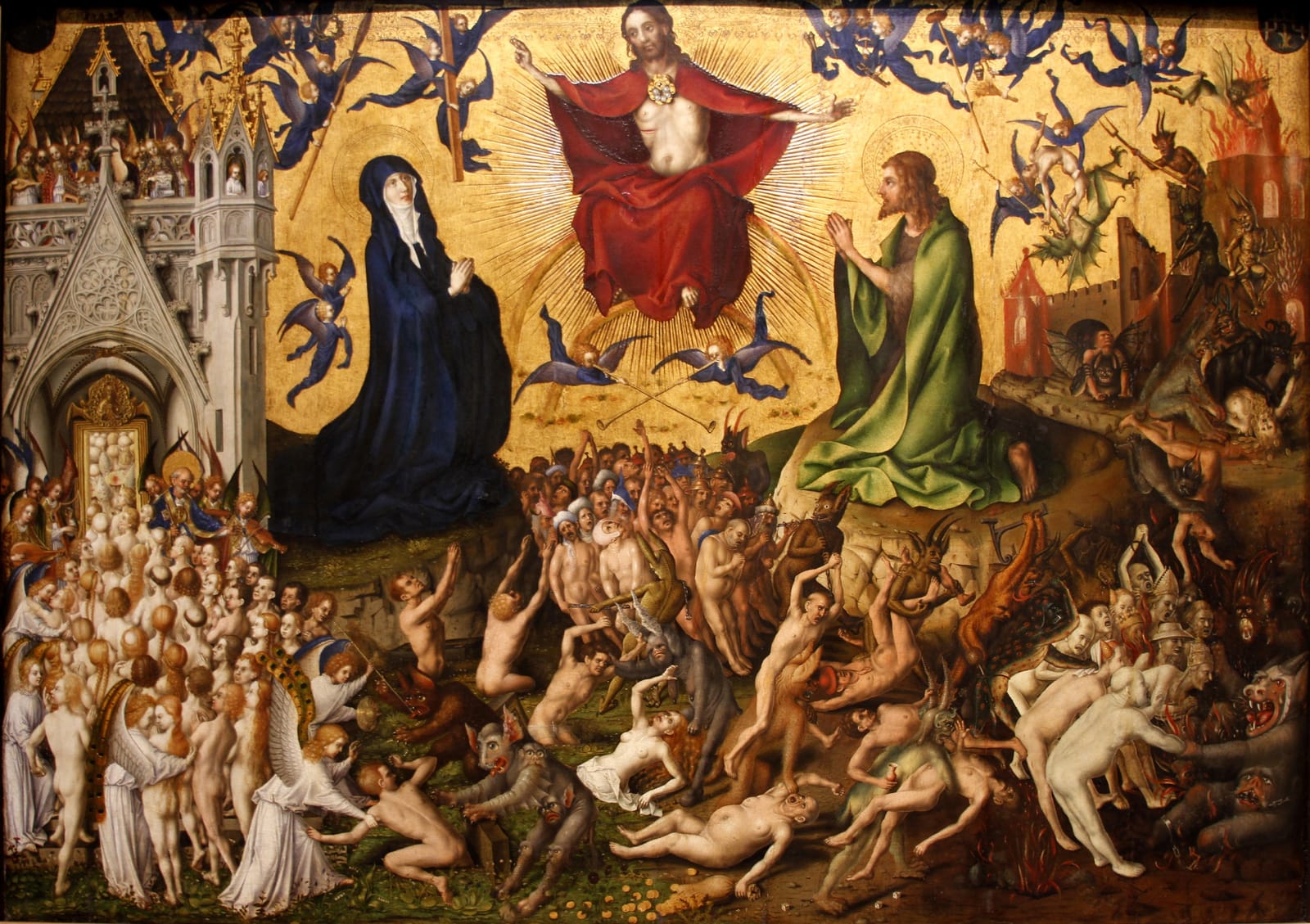
Christ the Judge over the blessed and the damned at the Last Judgment
The Last Judgement, Stefan Lochner (1410–1451), c. 1435. Credits

After Pentecost

November 25, 2029

The Twenty-Fourth Sunday after Pentecost

From Dom Guéranger’s The Liturgical Year.

The number of the Sundays after Pentecost may exceed twenty-four, and go as far as twenty-eight, according as Easter is each year more or less near to the vernal equinox. But the Mass here given is always reserved for the last; and the intervening ones, be their number what it may, are taken from the Sundays after the Epiphany, which, in that case, were not used at the beginning of the year. This, however, does not apply to the Introit, Gradual, Offertory, and Communion, which, as we have already said, are repeated from the twenty-third Sunday.

We have seen how that Mass of the twenty-third Sunday was regarded, by our forefathers, as really the last of the cycle. Abbot Rupert has given us the profound meaning of its several parts. According to the teaching we have already pondered over, the reconciliation of Juda was shown us as being, in time, the term intended by God: the last notes of the sacred liturgy blended with the last scene of the world’s history, as seen and known by God. The end proposed by eternal Wisdom in the world’s creation, and mercifully continued, after the fall, by the mystery of Redemption, has now (we speak of the Church’s year and God’s workings) been fully carried out.
Chapter 5: On Hearing Mass during the Time after Pentecost

From Dom Guéranger’s The Liturgical Year.

Of all the good acts wherewith a Christian can sanctify his day, there is not one which bears comparison with that of assisting at the holy sacrifice of the Mass. It is in that sacrifice, the supreme act of religion, that is centred all the homage due from man to his Creator; and it is also from the same sacrifice that God pours out profusely upon his creature man every sort of blessing. The very Son of God is really present there; there He is offered up to His Father, and the offering is always well-pleasing; and they who assist at this divine immolation with faith and love receive into their souls graces of a far richer kind than are given by ordinary means.

The assistance at Mass, if completed by the real participation of the divine victim, unites man to God in an ineffable way by the renovation of his whole being, for it produces an intimate communion between him and the Word Incarnate.

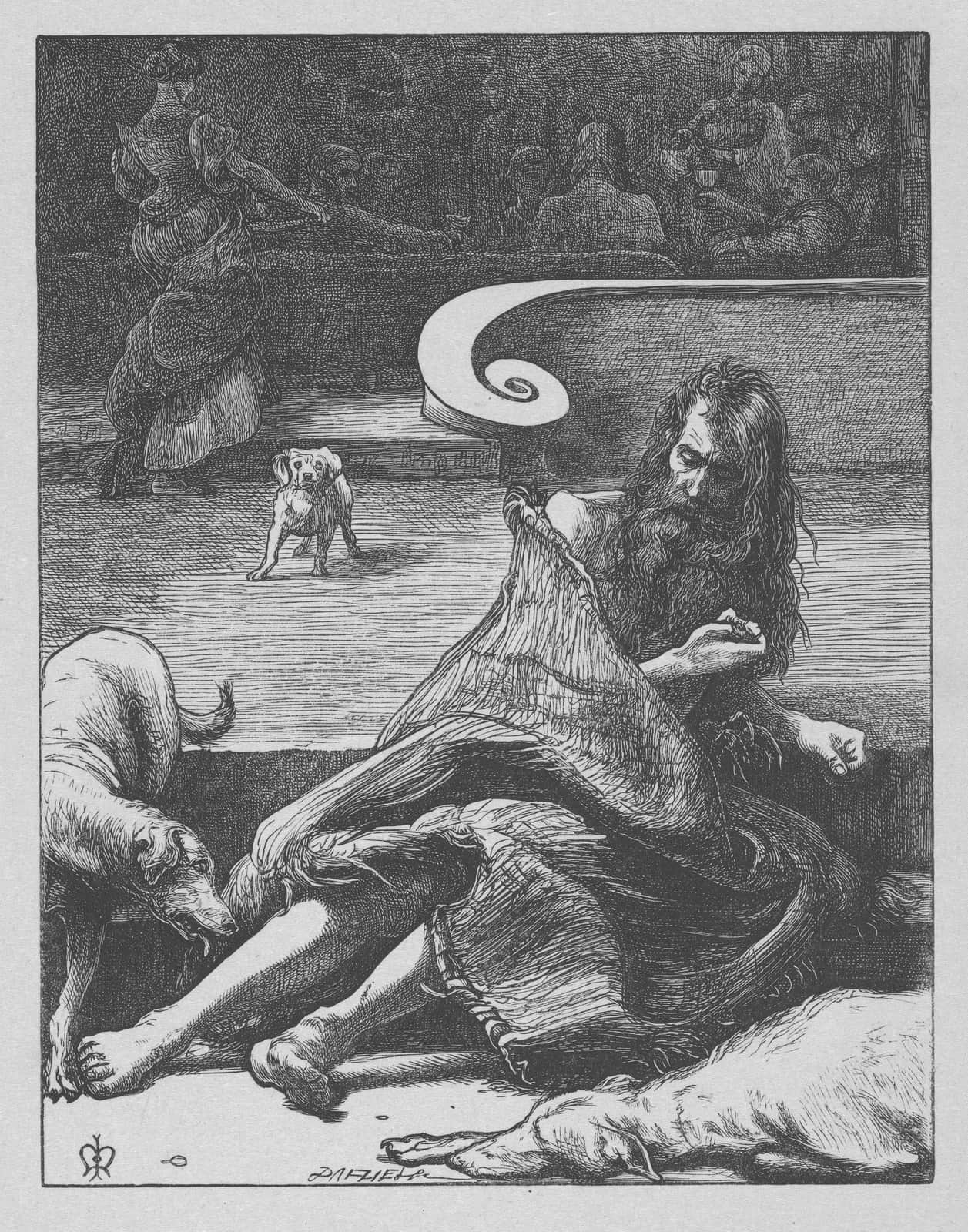
The rich man and Lazarus
Sir John Everett Millais (1829–1896), The Rich Man and Lazarus, from The Parables of Our Lord and Saviour Jesus Christ, 1864. Credits

Email view of this day