This day

February 3, 2021

Septuagesima

February 3, 2021

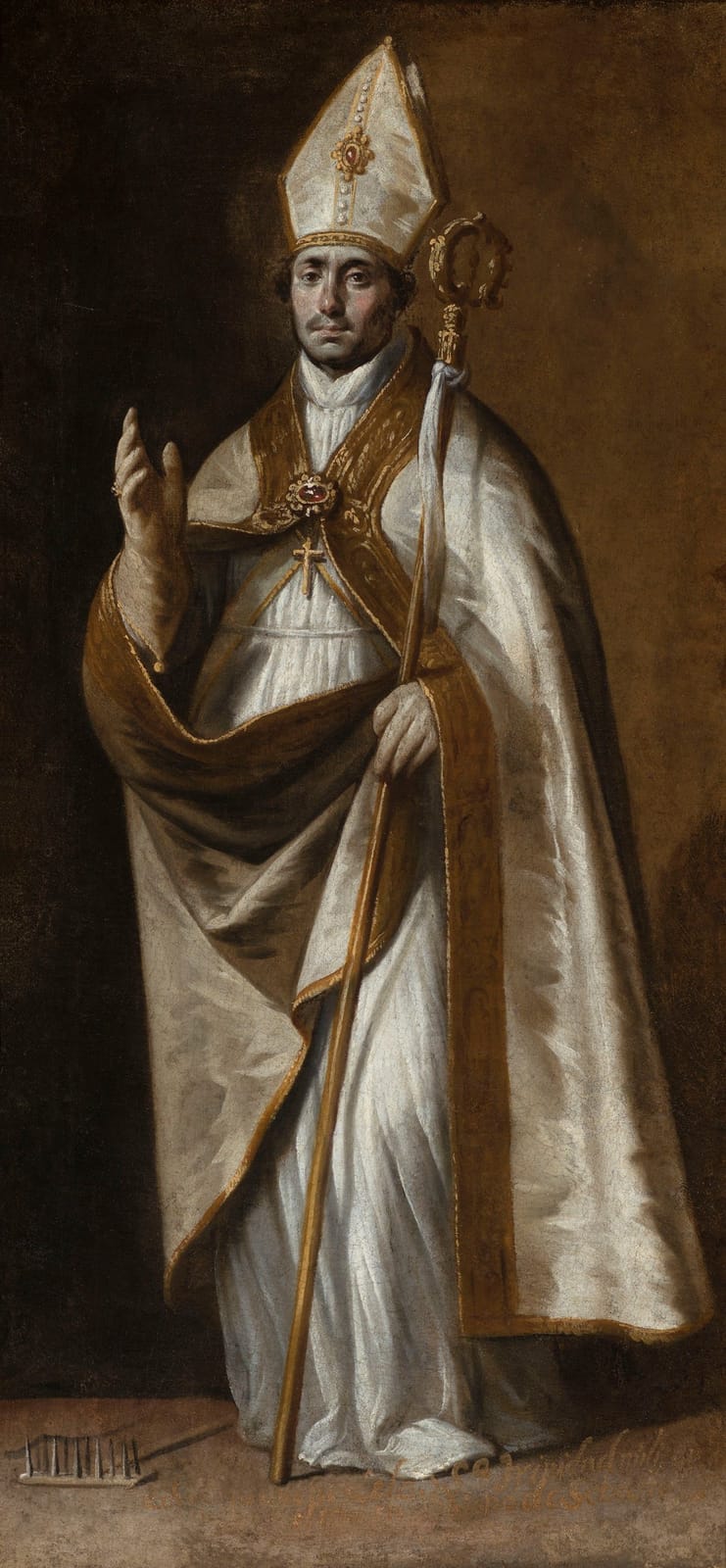
February 3: St. Blaise, Bishop and Martyr

From Dom Guéranger’s The Liturgical Year.

Now that the Church has closed the joyous period of her forty days of Christmas, and is putting us through a course of meditations on subjects which are to excite a spirit of penance within us, each of the saints’ feasts must produce an impression, which shall be in accordance with that spirit. From this day till Easter, we will study the saints, as they come to us, in this special light: how much they laboured and suffered during their pilgrimage of life, and what was the plan they took for conquering the world and the flesh. ‘They went,’ says the psalmist, ‘and wept, casting their seeds: but coming they shall come with joyfulness, carrying their sheaves.’ It shall be the same with us; and at the end of our lenten labours, our risen Jesus will hail us as His living, regenerated children.

The calendar of this portion of the year abounds with martyrs; and, at the very outset, we meet with one of the most celebrated of these glorious champions of Christ. The scene of his pastoral virtues and of his martyrdom was Sebaste, a city of Armenia, the same that will give us forty martyred soldiers on a single day.


Wednesday of Septuagesima Week

From Dom Guéranger’s The Liturgical Year.

The guilty pair appear before the great God, whom they have offended; and instead of acknowledging their guilt, they seek to palliate and excuse it. But divine justice pronounces their condemnation, and the sentence will be felt by their posterity, even to the last generation. The two beings, that had committed the heinous crime, had been enriched with every gift of nature and grace. It was not with them, as it is with us. Concupiscence which gives us an inclination for what is wrong; ignorance and forgetfulness which cloud the intellect of fallen man, these miseries had nothing whatever to do with the fall of our first parents. They sinned through sheer ingratitude. They began by weighing the proposal of revolt, when they ought to have spurned it with indignation and conquered by flight. Then, by degrees, the proposed crime seemed no great harm, because, though God would lose their obedience, they would gain by the disobedience! And at length, the love of God was made to give place to the love of self, and they declared their independence! Yet God had mercy on them, because of their posterity.

Christ points to a laborer working in a vineyard
Hans Schäufelein (1480–1540), The Parable of the Workers in the Vineyard, from Das Plenarium, 1517. Credits

Email view of this day