This day

February 4, 2021

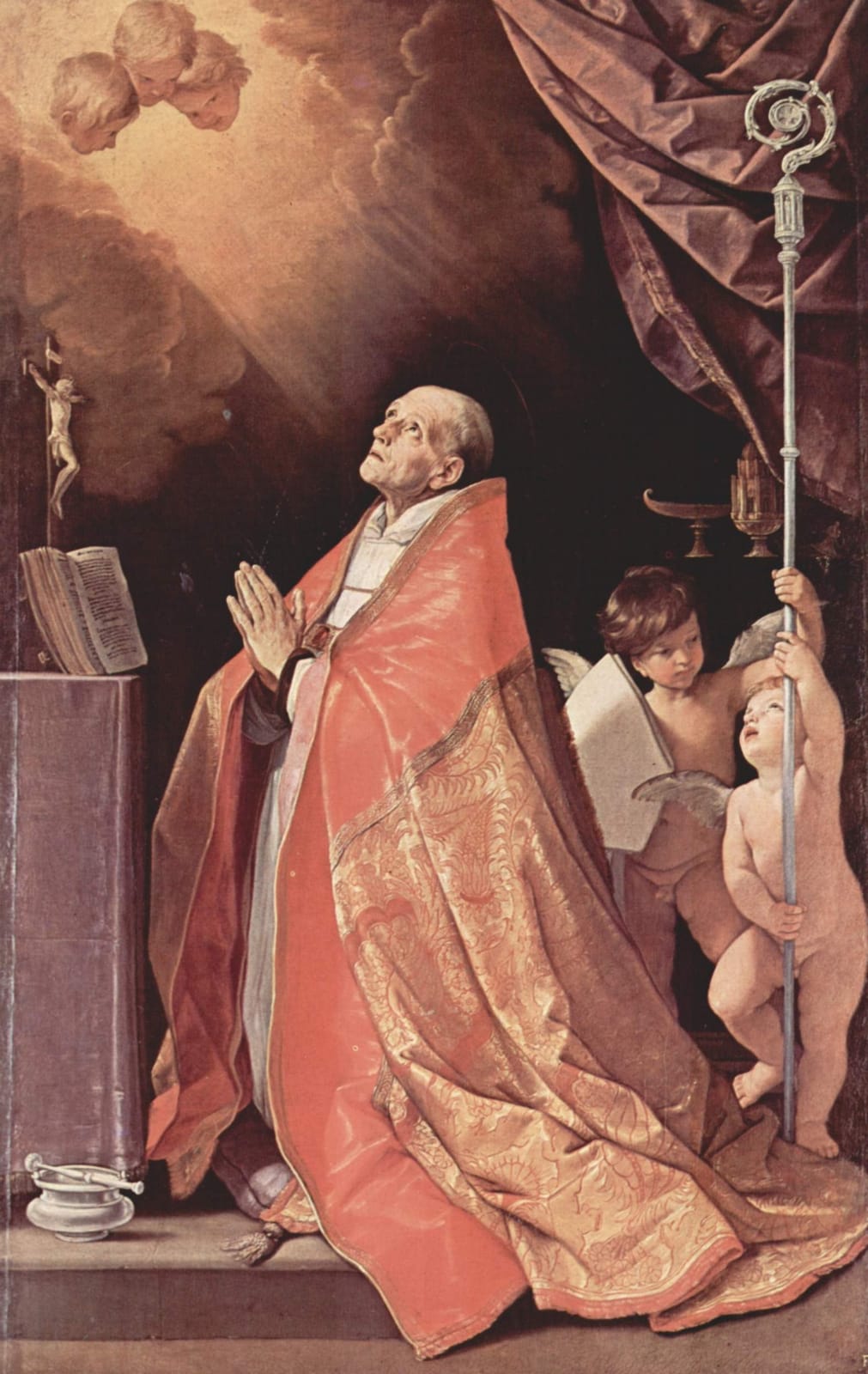
Bishop saint in coral cope praying; putti with crozier and book
St Andrew Corsini in Prayer, Guido Reni (1575–1642), 1630–1635. Credits

Septuagesima

February 4, 2021

A Double leads the weekday.Rubric

February 4: St. Andrew Corsini, Bishop and Confessor

From Dom Guéranger’s The Liturgical Year.

The saintly bishop, whose feast we keep to-day pressingly invites us, by his austere life and his burning zeal for the salvation of souls, to procure, at all costs, our own reconciliation with the divine justice. We are indebted for this feast to a member of the illustrious family of the Corsini, Pope Clement XII., who, however, was but the instrument used by divine Providence. The holy bishop of the little town of Fiesole ever sought to be unknown during his life, and God, who willed that he should be glorified by the whole Church, inspired the sovereign Pontiff to inscribe his name among the saints of the universal calendar. Andrew the saint was once a sinner; his example will encourage us in the work of our conversion.

Let us read the account of his virtues as given us by the Church.

Andream Florentiæ ex nobili Corsinorum familia natura parentes precibus a Deo impetrarunt, et beatæ Virgini spoponderunt. Qualis autem futurus esset, divino præsagio, antequam nasceretur, ostensum est: nam mater gravida sibi visa est per quietem lupum edidisse, qui, ad Carmelitarum ædem pergens, in ipso templi vestibuio statim in agnum conversus est.

Thursday of Septuagesima Week

From Dom Guéranger’s The Liturgical Year.

Forgiveness is promised; but atonement must be made. Divine justice must be satisfied, and future generations be taught that sin can never pass unpunished. Eve is the guiltier of the two, and her sentence follows that of the serpent. Destined by God to aid man in peopling the earth with happy and faithful children, formed by this God out of man’s own substance 'flesh of his flesh, and bone of his bones,’ woman was to be on an equality with man. But sin has subverted this order, and God’s sentence is this: conjugal union, notwithstanding the humiliation of concupiscence now brought upon it, is to be, as before, holy and sacred; but it is to be inferior in dignity, before both God and man, to the state of virginity, which disdains the ambitions of the flesh.

Secondly, woman shall be mother still, as she would have been in the state of innocence; but her honour shall be a burden. Moreover, she shall give birth to her children amidst cruel pains, and sometimes even death must be the consequence of her infant’s coming into the world.

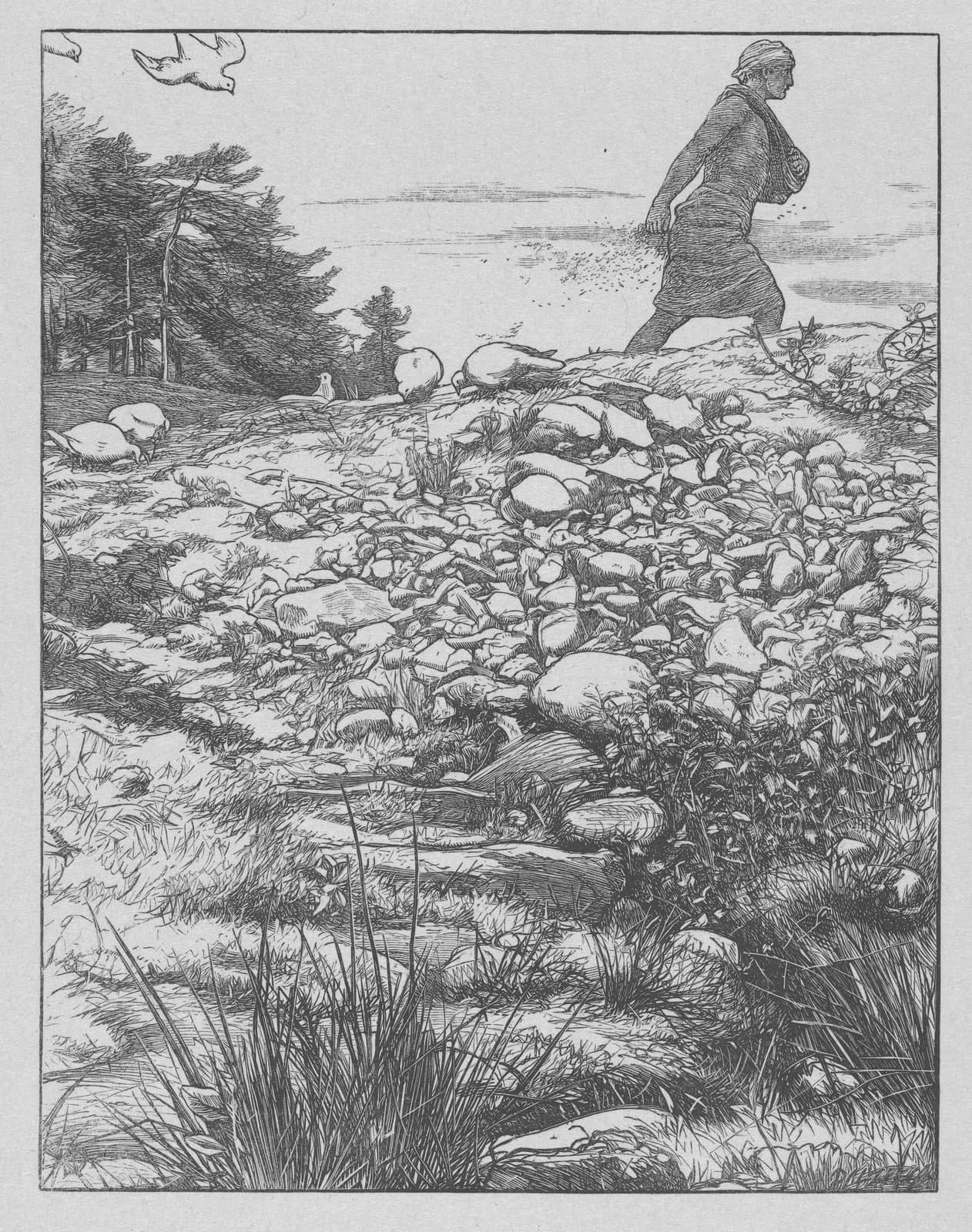
A sower scatters seed on rocky and thorny ground
Sir John Everett Millais (1829–1896), The Sower, from The Parables of Our Lord and Saviour Jesus Christ, 1864. Credits

Email view of this day