This day

July 5, 2022

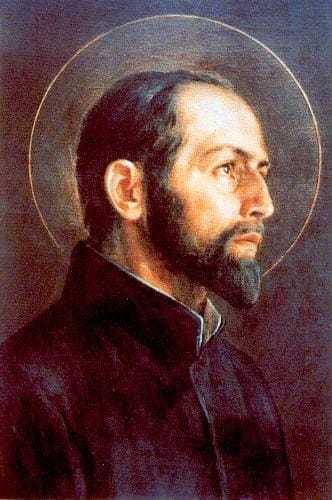
St Anthony Mary Zaccaria
Saint Anthony Mary Zaccaria. Credits

After Pentecost

July 5, 2022

July 5: St. Anthony Mary Zaccaria, Confessor

From Dom Guéranger’s The Liturgical Year.

LATER than Cajetan of Vicenza and earlier than Ignatius of Loyola, Anthony was called to be the father of one of those religious families which arose in such numbers during the sixteenth century to repair the ruins of the house of God. Lombardy, exhausted and demoralized by the wars for the possession of the duchy of Milan, was encouraged by the sight of the heroic virtues of Zaccaria to believe, hope and love once again. She listened to his fiery exhortations calling her to repentance, to meditation on the Passion and to more fervent devotion to, and more solemn adoration of, the Blessed Sacrament. Thus he was truly the precursor of St Charles Borromeo, who in his reform of the clergy, people and monasteries of Milan had as his earnest supporters Anthony's sons and daughters, the Clerks Regular and the Angelic Sisters of St Paul.

The Congregation began its life in the Oratory of Eternal Wisdom at Milan, but these new disciples of the doctor of the Gentiles took their name of Barnabites from the Church of St Barnabas, to which they were moved shortly after the death of the saint and where his body rests.

This week's Sunday: The Fourth Sunday after Pentecost

From Dom Guéranger’s The Liturgical Year.

The fourth Sunday after Pentecost was called, for a long period, in the west, the Sunday of mercy, because, formerly, there was read upon it the passage from St. Luke beginning with the words: ‘Be merciful, as your Father is merciful.’ But, this Gospel having been since assigned to the Mass of the first Sunday after Pentecost, the Gospel of the fifth Sunday was made that of the fourth; the Gospel of the sixth became that of the fifth; and so on, up to the twenty-third. The change we speak of was, however, not introduced into many Churches till a very late period; and it was not universally received till the sixteenth century.

Whilst the Gospels were thus brought forward a week, in almost the whole series of these Sundays, the Epistles, Prayers, and the other sung portions of the ancient Masses were, with a few exceptions, left as originally drawn up. The connexion which the liturgists of the eleventh, twelfth, and thirteenth centuries had fancied they found between the Gospel and the rest of the liturgy for these Sundays was broken.

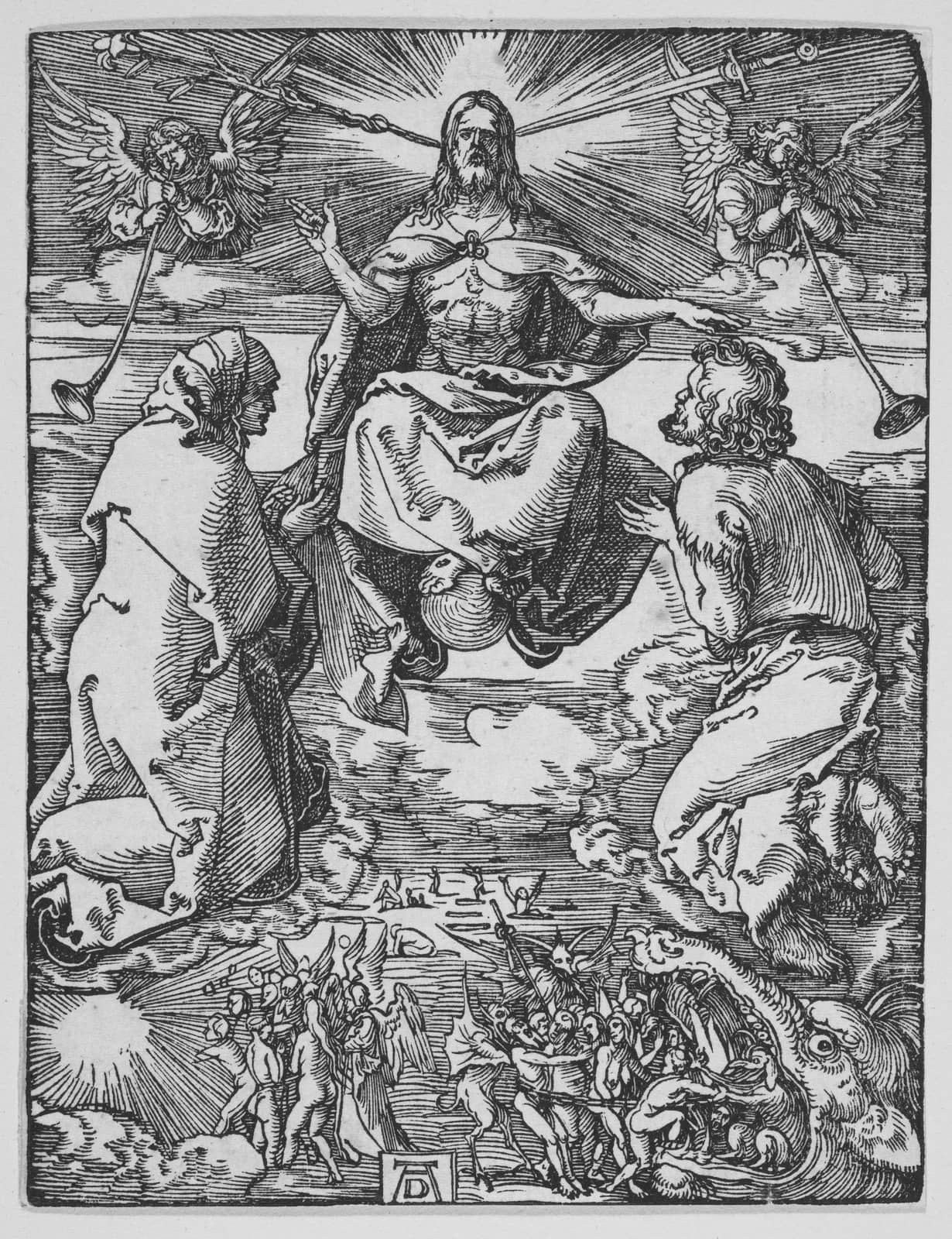
The Last Judgment
Albrecht Dürer (1471–1528), The Last Judgment, from The Small Passion, ca. 1510. Credits

Email view of this day