This day

January 30, 2027

Septuagesima

January 30, 2027

A Semidouble leads the weekday.Rubric

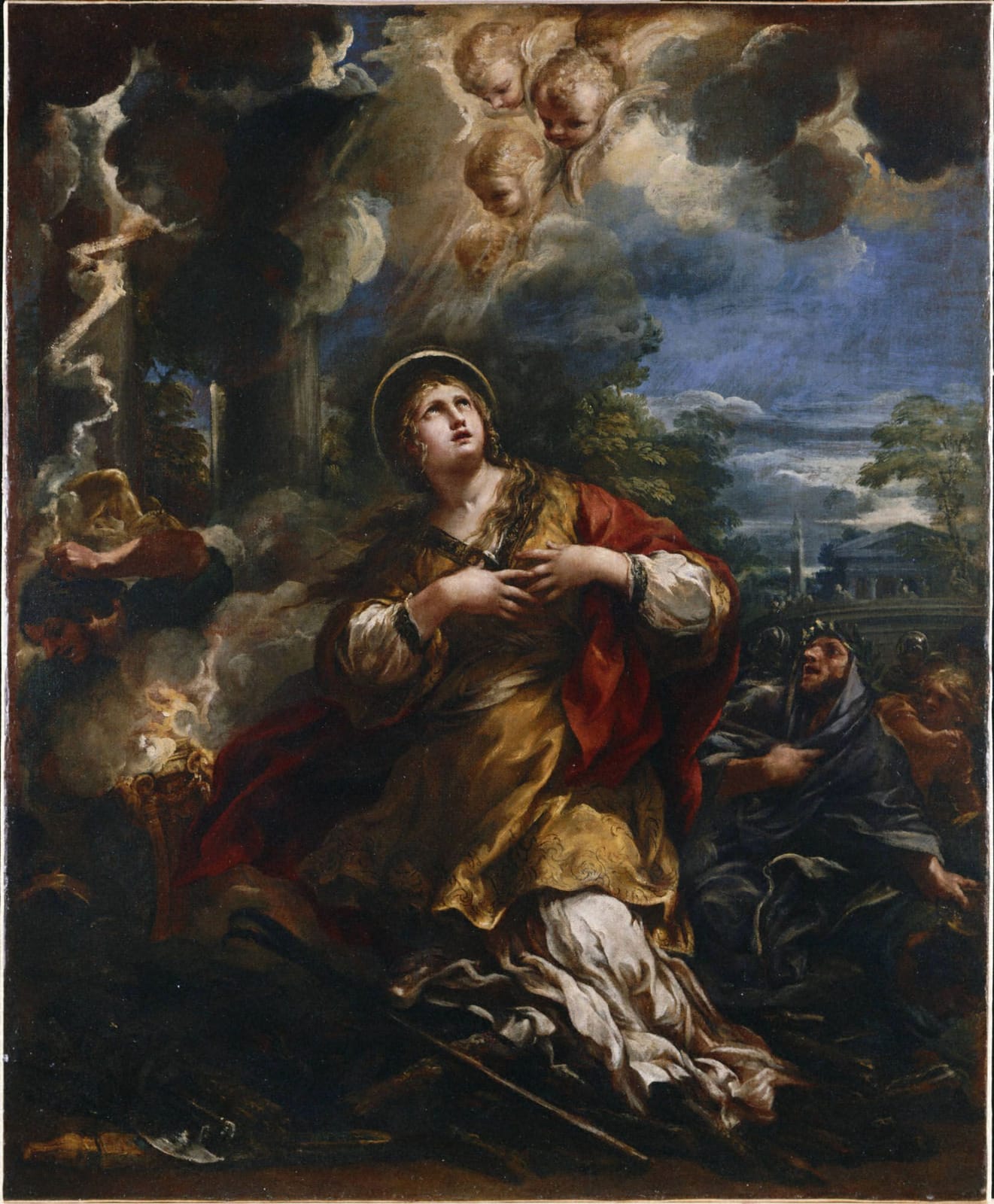
January 30: St. Martina, Virgin and Martyr

From Dom Guéranger’s The Liturgical Year.

A FOURTH Roman Virgin, wearing on her brow a martyr’s crown, comes today to share the honours given to Agnes, Emerentiana, and Prisca, and offer her palm to the Lamb. Her name is Martina, which the pagans were wont to give to their daughters in honour of their god of war. Her sacred relics repose at the foot of the Capitoline hill, in the ancient temple of Mars, which has now become the beautiful Church of Saint Martina. The holy ambition to render herself worthy of him whom she had chosen as her divine Spouse, gave her courage to suffer torments and death for his sake; so that of her, as of the rest of the martyrs, we may say those words of the Liturgy, washed her robes in the Blood of the Lamb. Our Emmanuel is the Mighty God, the Lord that is mighty in war, not, like the Mars of the pagans, needing the sword to win his battles. He vanquishes his enemies by meekness, patience, and innocence, as in the martyrdom of today’s Saint, whose victory was grander than was ever won by Rome’s boasted warriors.

Saturday of Septuagesima Week

From Dom Guéranger’s The Liturgical Year.

The sentence pronounced by the Almighty upon our first parents was to fall upon their children to the end of time. We have been considering, during this week of Septuagesima, the penalties of the great sin; but the severest and most humiliating of them all remains to be told. It is the transmission to the whole human race of original sin. It is true that the merits of the promised Redeemer will be applied to each individual man, in the manner established by God at various periods of time: still, this spiritual regeneration, whilst cleansing us from the leprosy which covered us, and restoring us to the dignity of children of God, will not remove every scar of the old wound. It will save us from eternal death, and restore us to life; but, as long as our pilgrimage lasts, we shall be weak and sickly. Thus it is that ignorance makes us short-sighted in those great truths, which should engross all our thoughts; and this fills us with illusions, which, by an unhappy inclination of our will, we cling to and love.

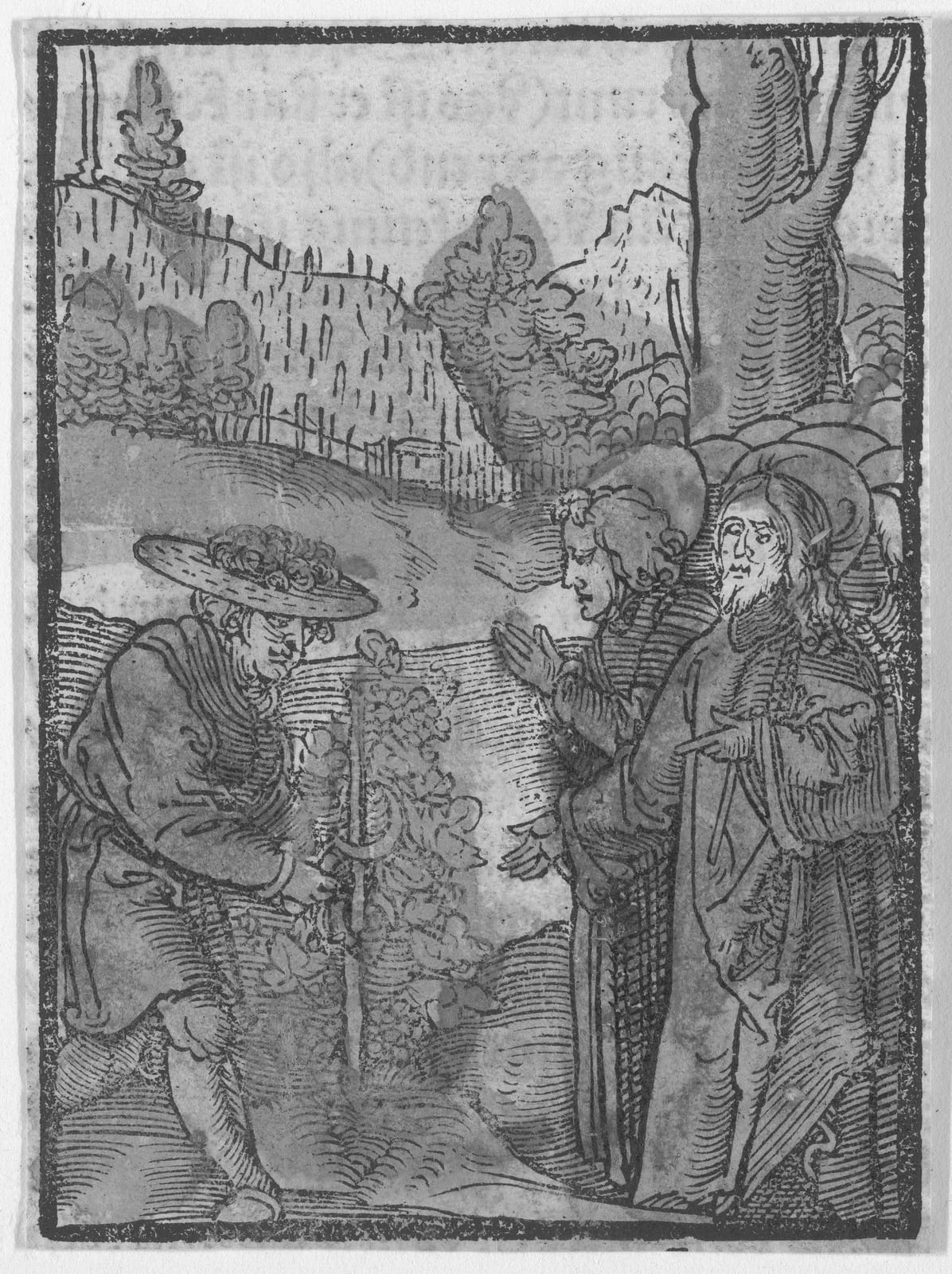
Christ points to a laborer working in a vineyard
Hans Schäufelein (1480–1540), The Parable of the Workers in the Vineyard, from Das Plenarium, 1517. Credits

Email view of this day