This day

January 31, 2027

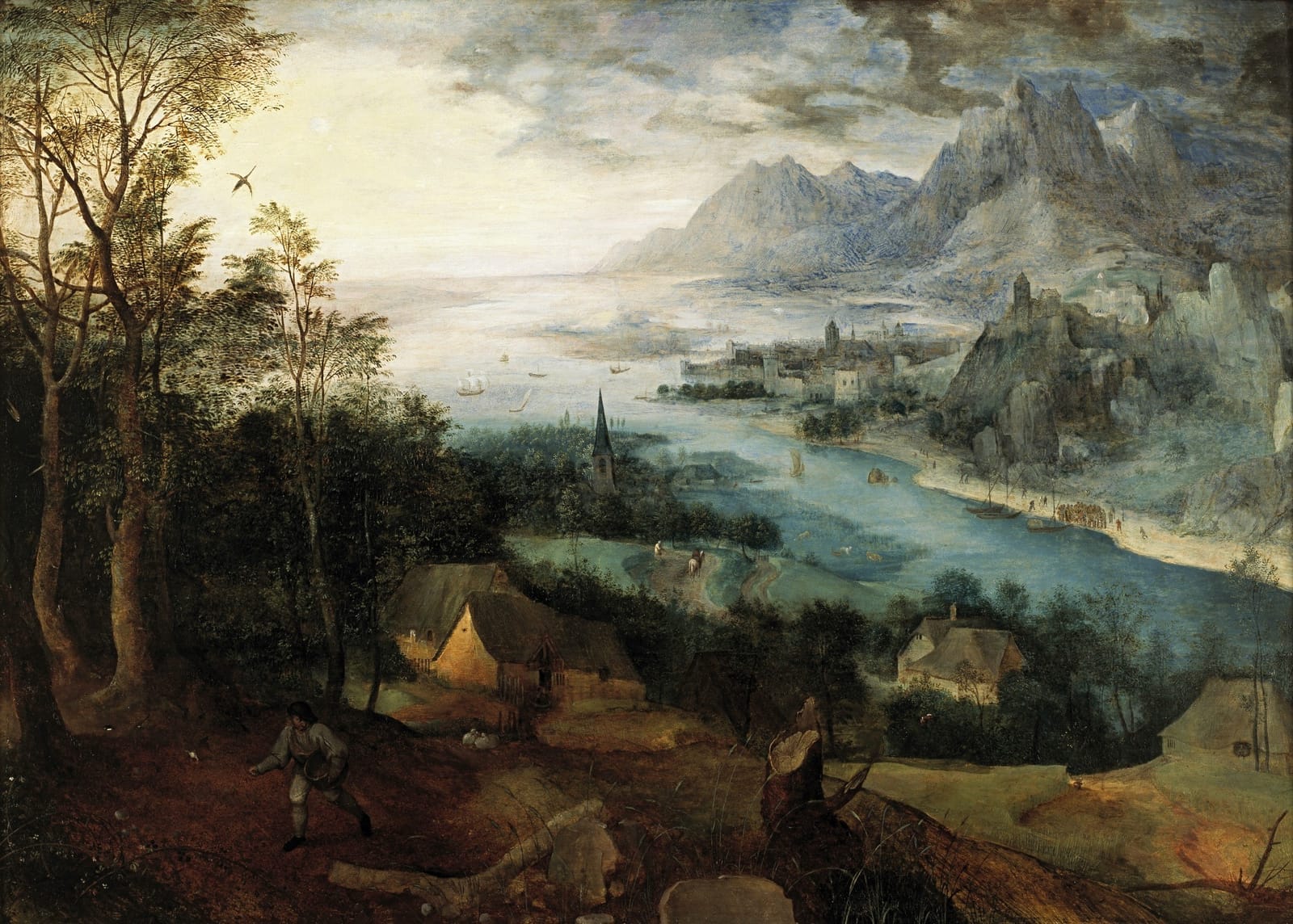
Landscape with the parable of the sower: a farmer casting seed in a vast mountain valley
The Parable of the Sower, Pieter Bruegel the Elder (1525–1569), 1557. Credits

Septuagesima

January 31, 2027

St. Peter Nolasco is impeded by Sexagesima and transferred to Feb 9.Rubric

Sexagesima Sunday

From Dom Guéranger’s The Liturgical Year.

The Church offers to our consideration, during this week of Sexagesima, the history of Noah and the deluge. Man has not profited by the warnings already given him. God is obliged to punish him once more, and by a terrible chastisement. There is found out of the whole human race one just man; God makes a covenant with him, and with us through him. But, before He draws up this new alliance, He would show that He is the sovereign Master, and that man, and the earth whereon he lives, subsist solely by His power and permission.

As the ground-work of this week’s instructions, we give a short passage from the Book of Genesis: it is read in the Office of this Sunday’s Matins.

De Libro Genesis.
Cap. vi.
Videns autem Deus quod multa malitia hominum esset in terra, et cuncta cogitatio cordis intenta esset ad malum omni tempore, pœnituit eum quod hominem fecisset in terra. Et tactus dolore cordis intrinsecus: Delebo, inquit, hominem quem creavi, a facie terræ, ab homine usque ad animantia, a reptili usque ad volucres cœli, pœnitet enim me fecisse eos.
Contents
  1. Sexagesima Sunday
  2. St. Peter Nolasco, Confessor

Chapter 2: The Mystery of Septuagesima

From Dom Guéranger’s The Liturgical Year.

The season upon which we are now entering is expressive of several profound mysteries. But these mysteries belong not only to the three weeks which are preparatory to Lent: they continue throughout the whole period of time which separates us from the great feast of Easter.

The number seven is the basis of all these mysteries. We have already seen how the holy Church came to introduce the season of Septuagesima into her calendar. Let us now meditate on the doctrine hidden under the symbols of her liturgy. And first, let us listen to St. Augustine, who thus gives us the clue to the whole of our season’s mysteries.

There are two times, [says the holy Doctor]: one which is now, and is spent in the temptations and tribulations of this life; the other which shall be then, and shall be spent in eternal security and joy. In figure of these, we celebrate two periods: the time before Easter, and the time after Easter.

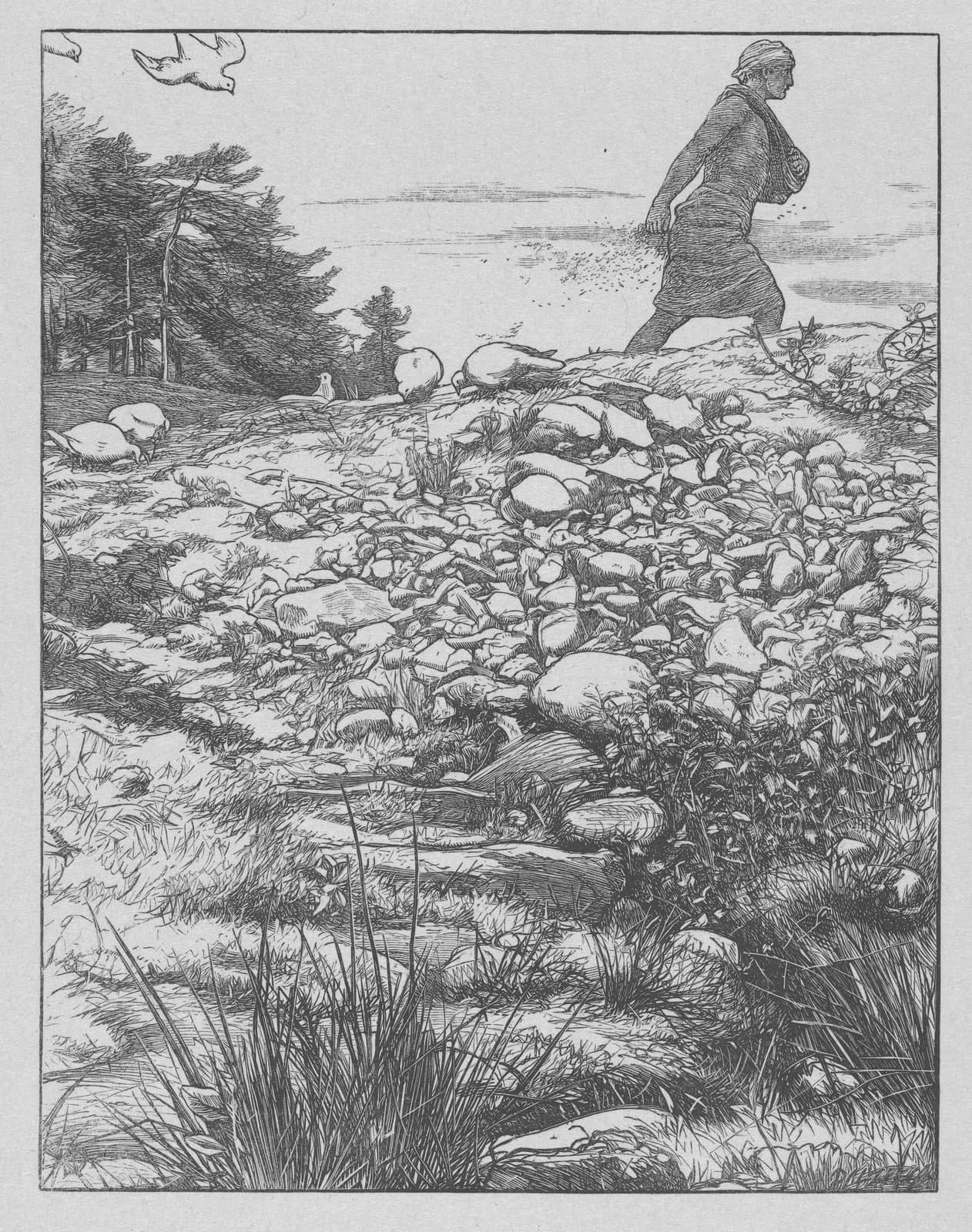
A sower scatters seed on rocky and thorny ground
Sir John Everett Millais (1829–1896), The Sower, from The Parables of Our Lord and Saviour Jesus Christ, 1864. Credits

Email view of this day